

ART BASEL HONG KONG
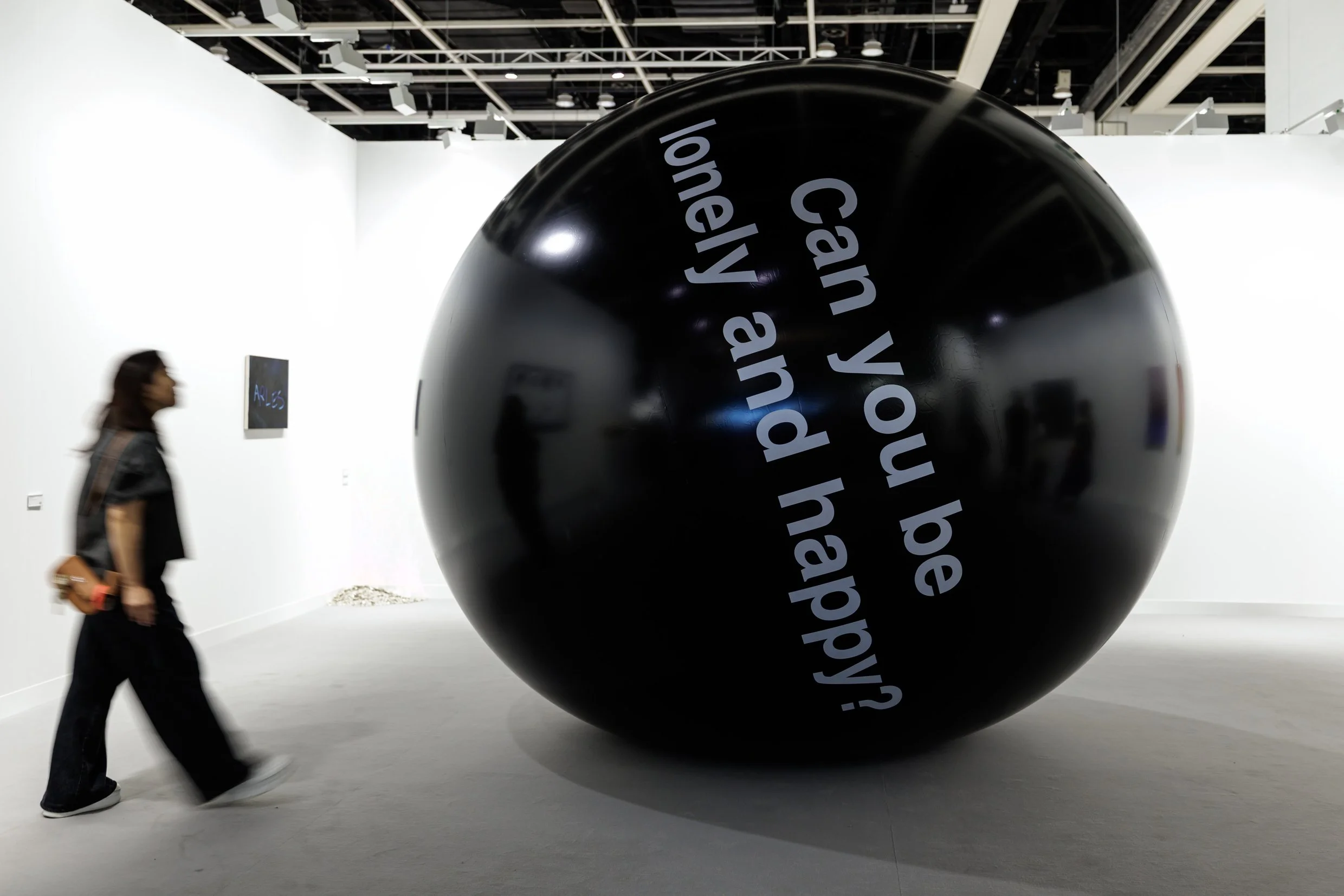


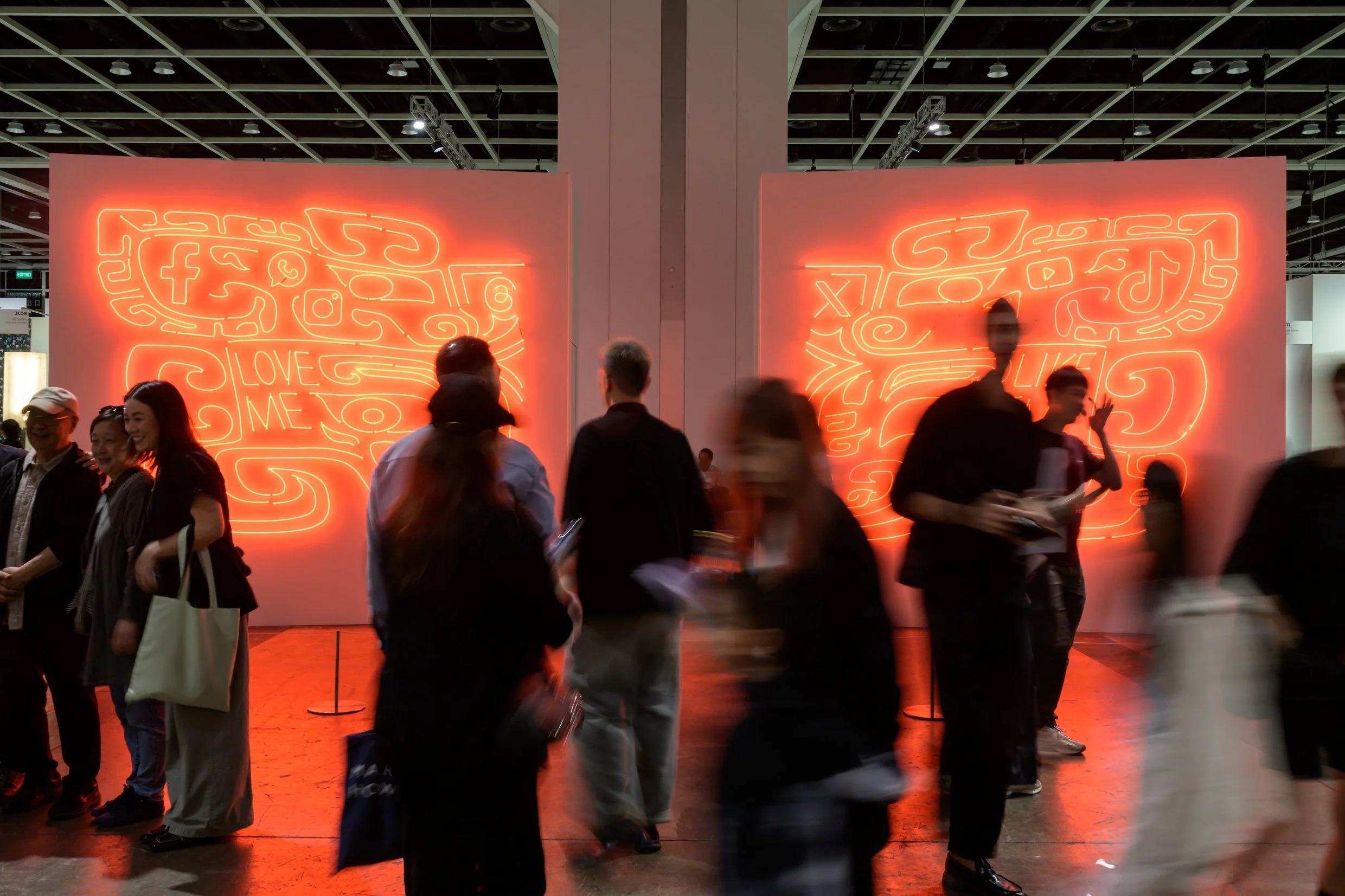

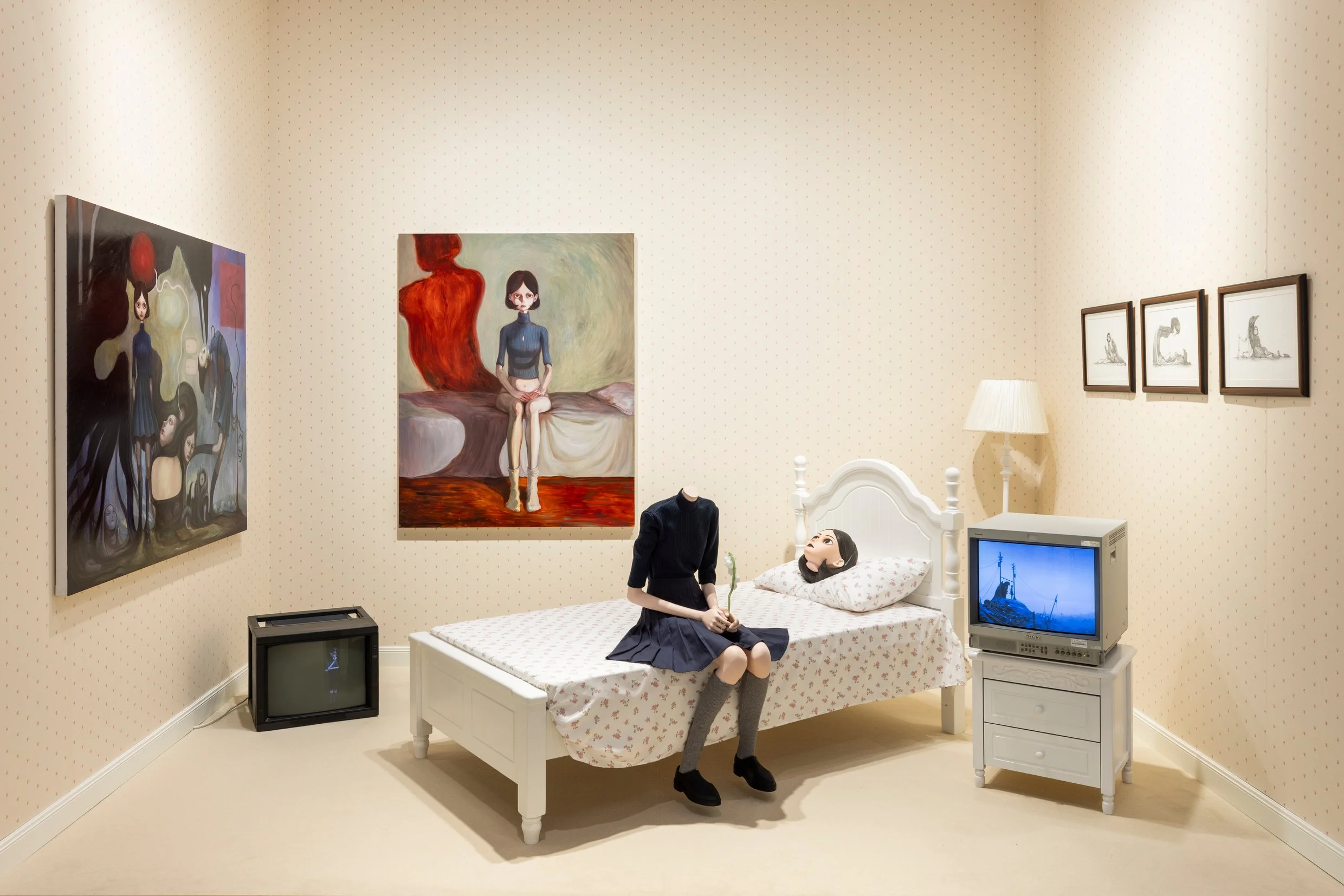
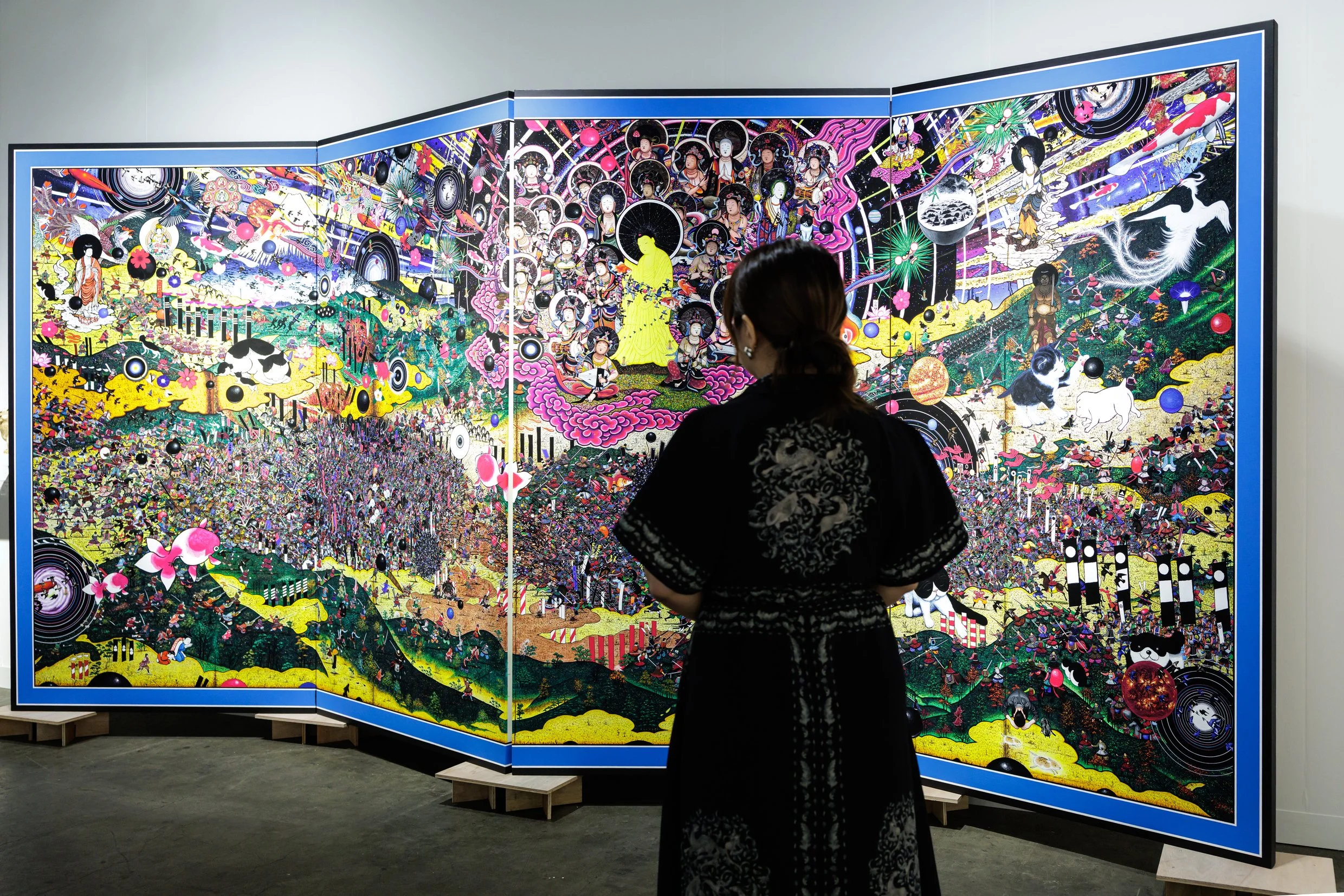
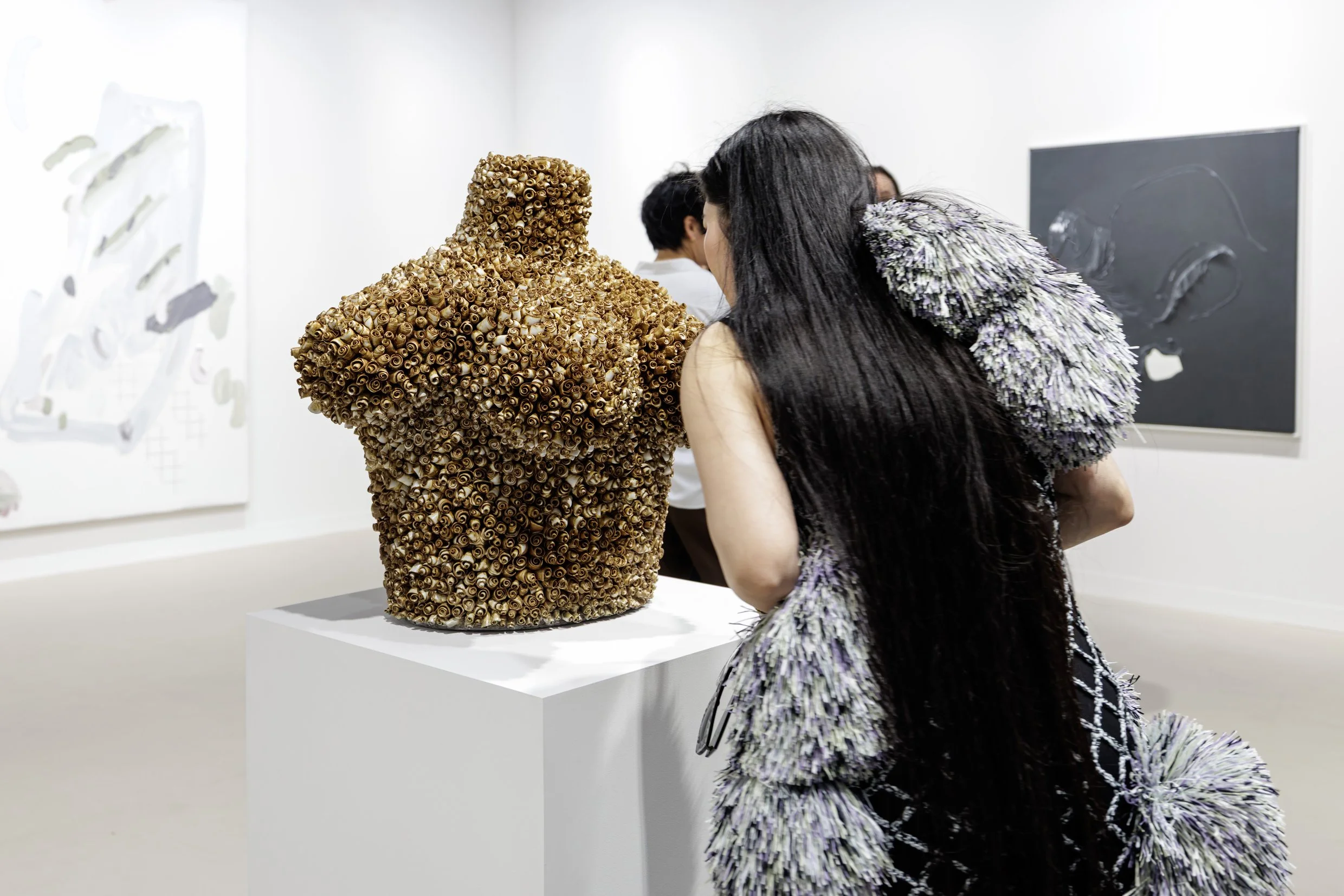

Art Basel Hong Kong 2026 closed with the kind of momentum that makes it clear the fair is not just holding its ground in Asia, but expanding its influence across the global art conversation. With 91,500 visitors passing through the Hong Kong Convention and Exhibition Centre, this year’s edition delivered scale, energy, and a powerful reminder that Hong Kong remains one of the most important crossroads in contemporary art.
What made this edition stand out was not only the volume of attendance, but the depth of engagement. Collectors, curators, institutions, and cultural leaders from across Asia-Pacific, Europe, and the United States moved through the fair with purpose, reinforcing the idea that Hong Kong is once again operating as a central node for international art exchange. Galleries reported steady activity across the week, with momentum continuing beyond the VIP rush and into the public days.
For VandalMag readers, the real story is how Art Basel Hong Kong continues to evolve beyond the polished surface of the blue-chip art fair. Yes, the sales were strong. Yes, the collector base was deep. But the bigger shift was in the way the fair embraced a wider cultural vocabulary. This year’s edition felt more porous, more responsive, and more plugged into the changing currents of contemporary practice, especially in the way it made room for digital work, cross-media experimentation, and site-responsive presentation models.
The Asia debut of Zero 10 was one of the clearest examples of that forward motion. Following its launch at Art Basel Miami Beach in 2025, the sector arrived in Hong Kong with a focus on digital and technologically engaged art, offering a more serious market and curatorial framework for practices that have often been sidelined or misunderstood. Instead of treating digital work like a novelty add-on, the fair positioned it as part of the main conversation, which says a lot about where the market is heading and how collector appetite is shifting.
Echoes also added to that momentum, offering more tightly curated presentations that felt deliberate rather than oversized. In a fair environment where visual overload can easily flatten nuance, that kind of concentrated format matters. It gives galleries more room to build a sharper argument, and it gives collectors and curators a better way into the work.
Another major takeaway from Art Basel Hong Kong 2026 was the continued rise of Asia-Pacific buying power. Galleries reported strong interest in both established and emerging artists from across the region, while also noting active cross-regional acquisitions and growing participation from younger and first-time buyers. That matters because it points to a collector base that is not only expanding, but changing in character. The energy is no longer limited to legacy patrons and established institutions. A new generation is entering the market, and they are shaping what relevance looks like now.
Institutional presence gave the fair even more weight. Representatives from more than 170 museums and foundations across 27 countries and territories attended, including major names from Hong Kong, Seoul, Shanghai, Paris, London, New York, Singapore, and Abu Dhabi. That level of attendance signals more than prestige. It means the fair is functioning as a site where acquisitions, future exhibitions, and international relationships are actively being built.
And then there is the city itself. One of the strongest aspects of Art Basel Hong Kong 2026 was the way it connected to a larger civic and cultural ecosystem. Programming across institutions like M+, Tai Kwun Contemporary, the Hong Kong Museum of Art, and the Hong Kong Palace Museum expanded the fair’s reach beyond the convention floor. Collaborations with partners including Hong Kong Ballet added another dimension, showing how the city’s art week now moves across disciplines instead of remaining locked inside the commercial booth format.
That broader alignment feels especially important right now. The fair also announced a new five-year collaboration with Hong Kong’s Culture, Sports and Tourism Bureau, strengthening its long-term ties to the city and reinforcing Hong Kong’s role as a leading international art hub. In a global climate where cultural capitals are constantly being reassessed, that kind of commitment sends a clear message: Art Basel sees Hong Kong not as a temporary checkpoint, but as a lasting anchor in its global structure.
For a site like VandalMag, which pays attention to the edges of culture as much as the center, Art Basel Hong Kong 2026 is interesting because it reveals how the mainstream art world is adapting. The fair remains polished, powerful, and undeniably commercial, but it is also becoming more flexible in how it frames artistic production. Digital practices are moving inward. Cross-disciplinary programming is becoming more visible. New collectors are changing the rhythm. And Hong Kong is reasserting itself not just as a luxury destination for art, but as a place where institutions, markets, artists, and public culture collide in real time.
Art Basel Hong Kong 2026 may have closed, but the message it sent is still ringing out. Asia’s art market is not simply growing. It is becoming more layered, more international, and more central to the future of contemporary culture. And in that shift, Hong Kong is still very much in the frame.