

TRIPLE TROUBLE: Shepard Fairey, Damien Hirst & Invader
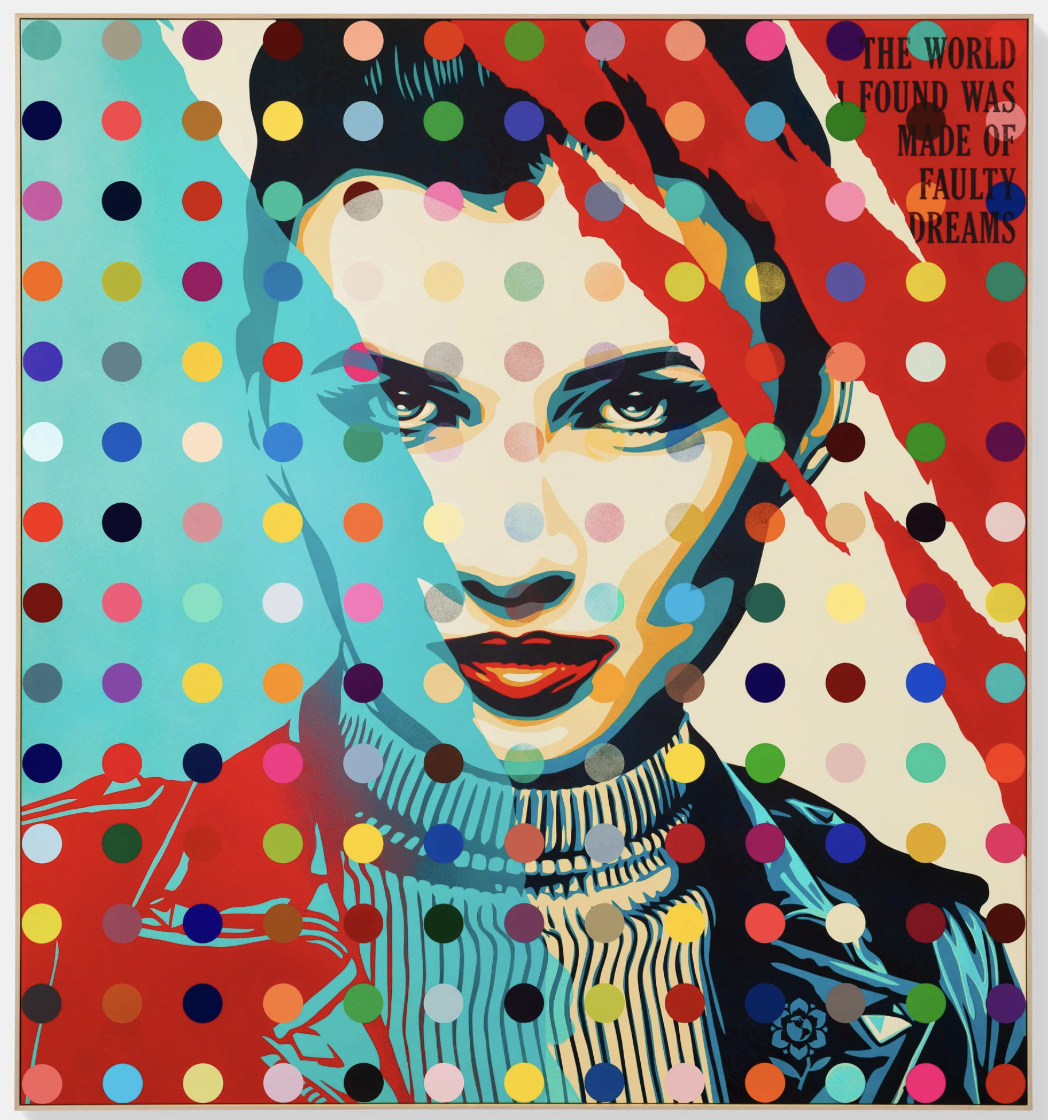
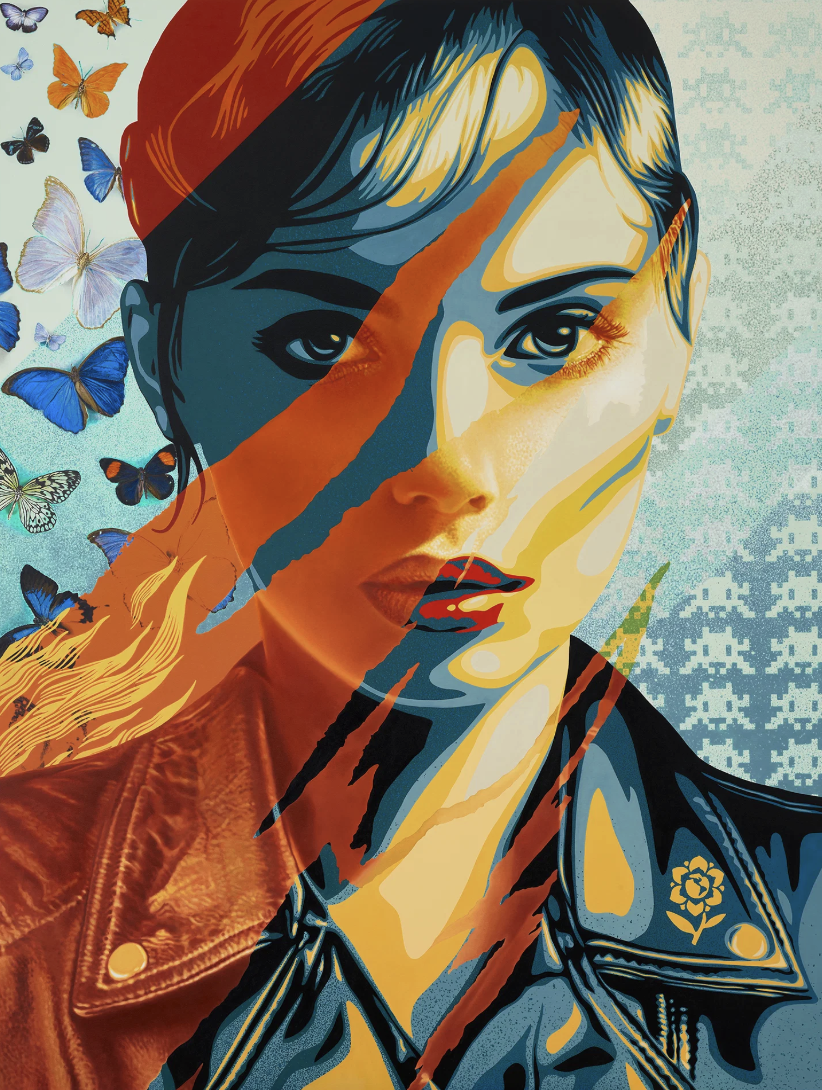
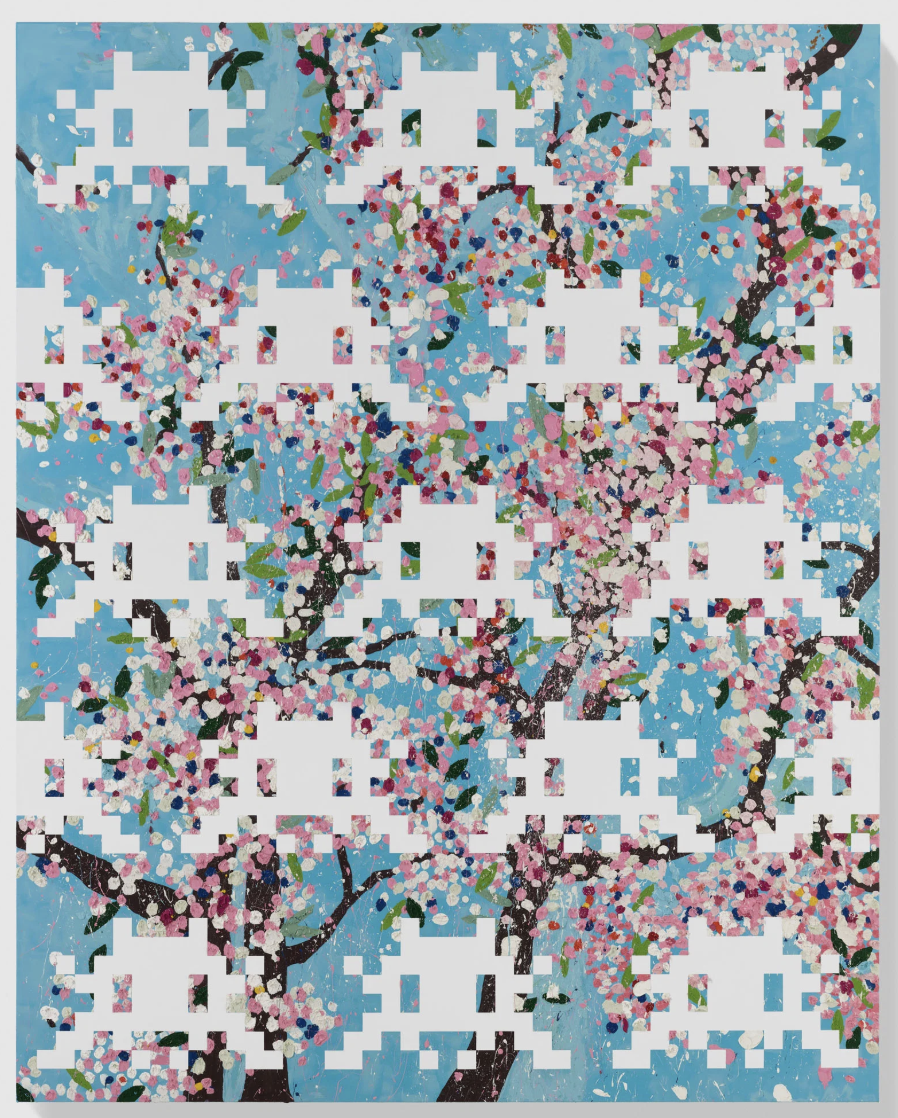
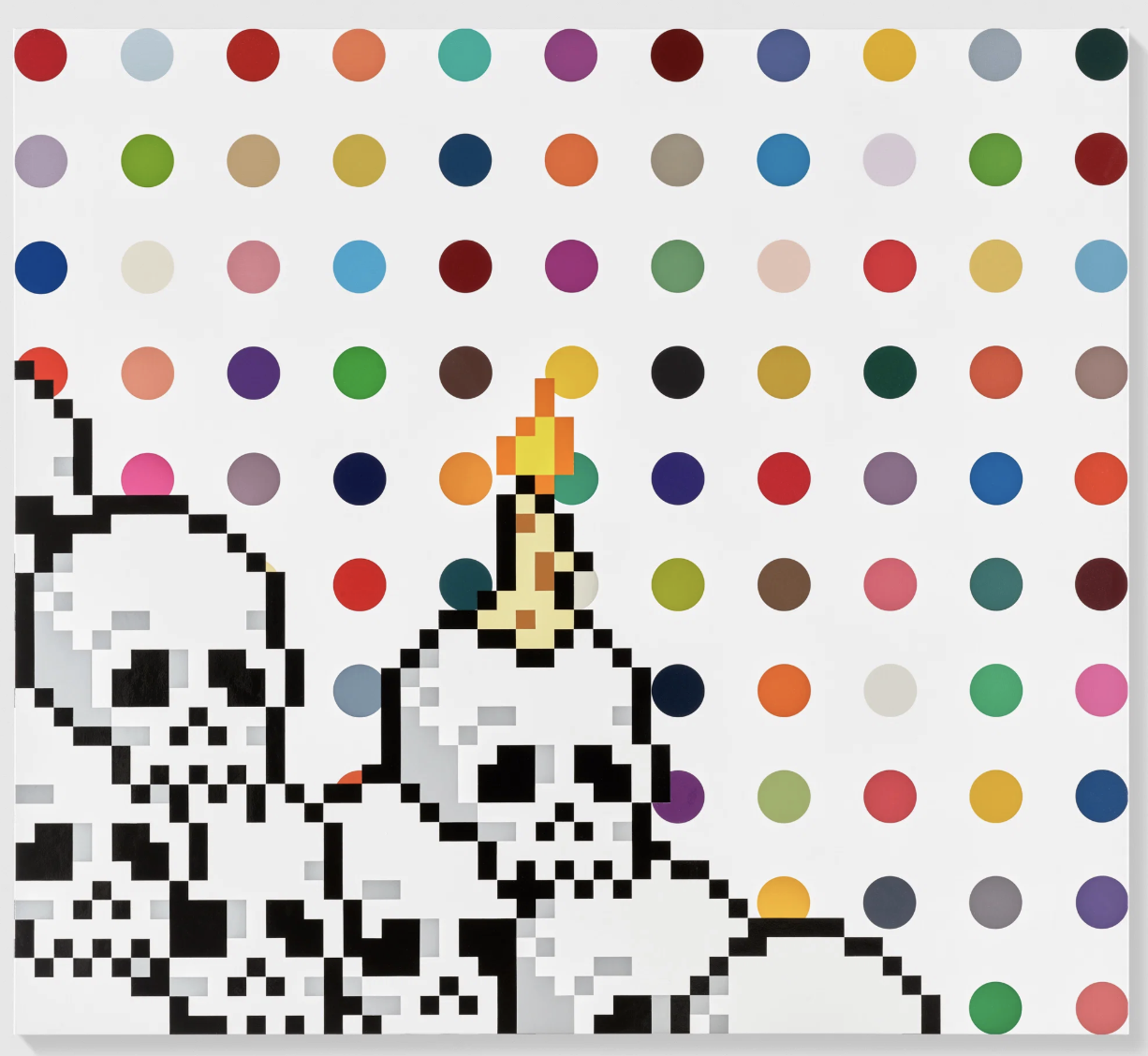
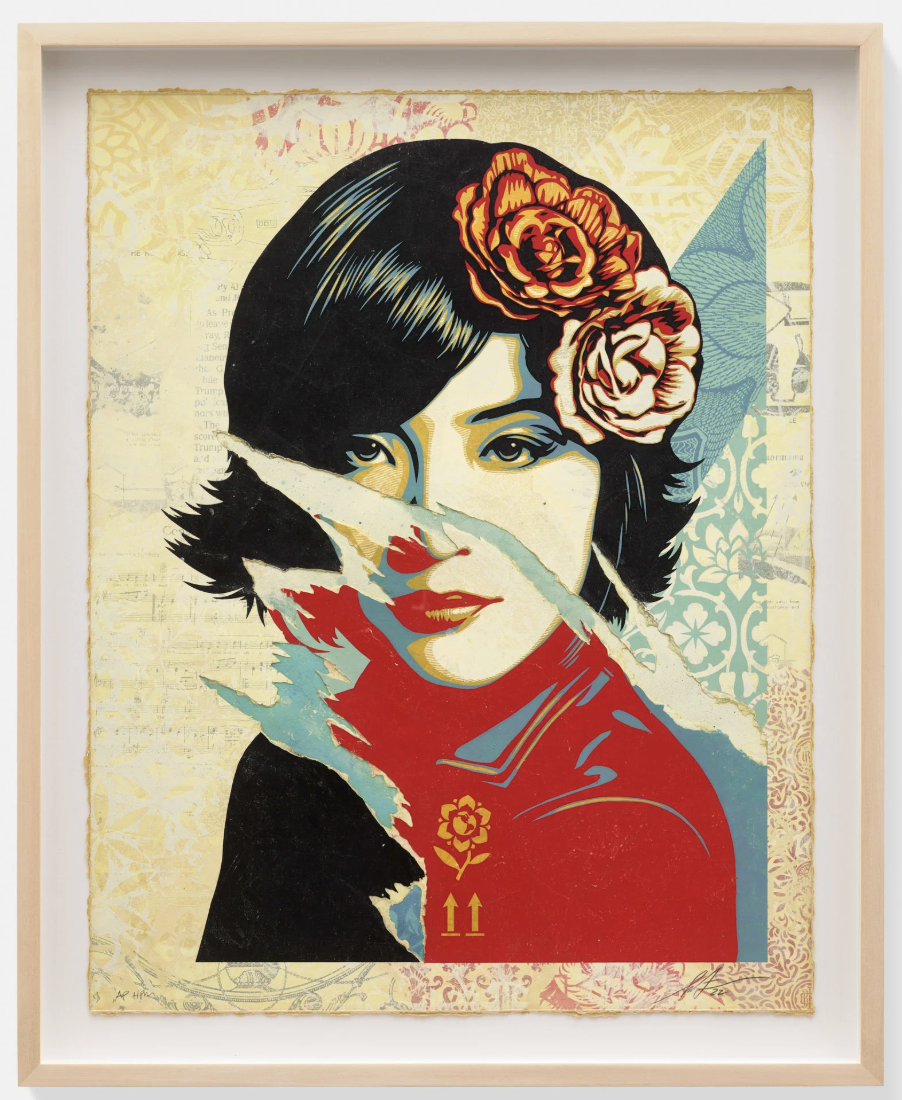
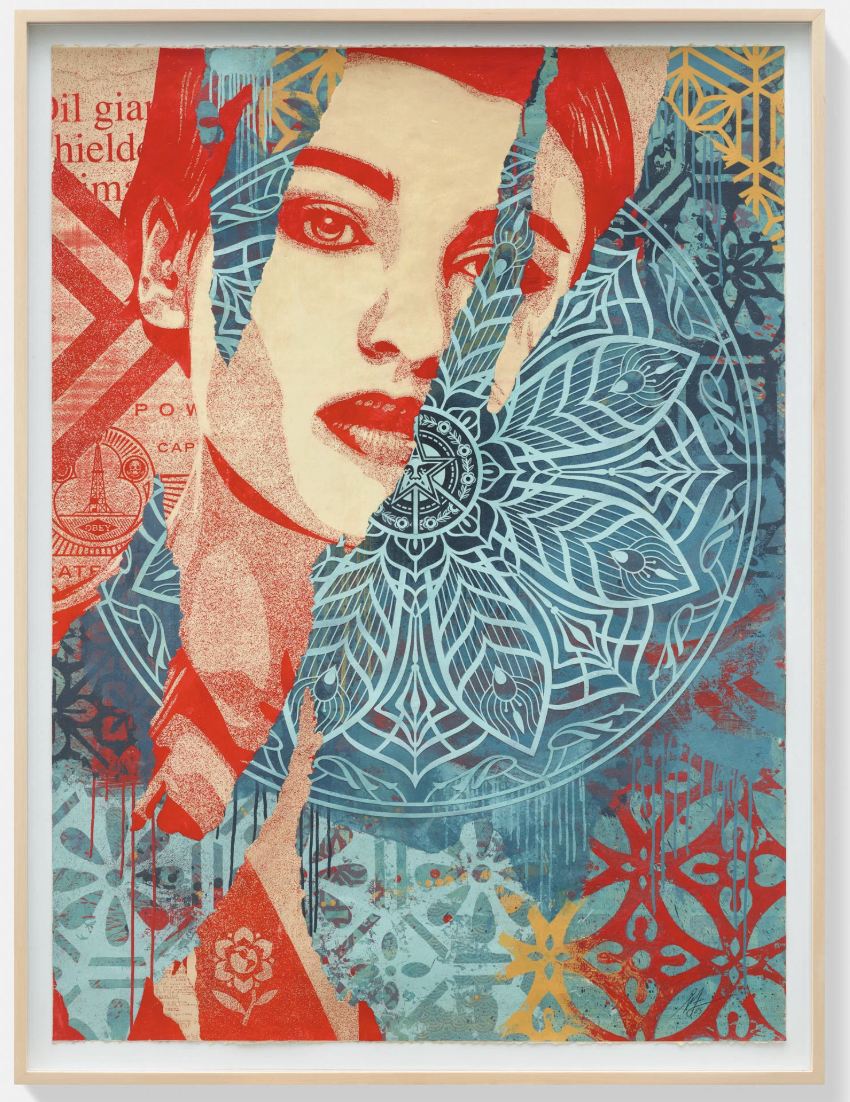
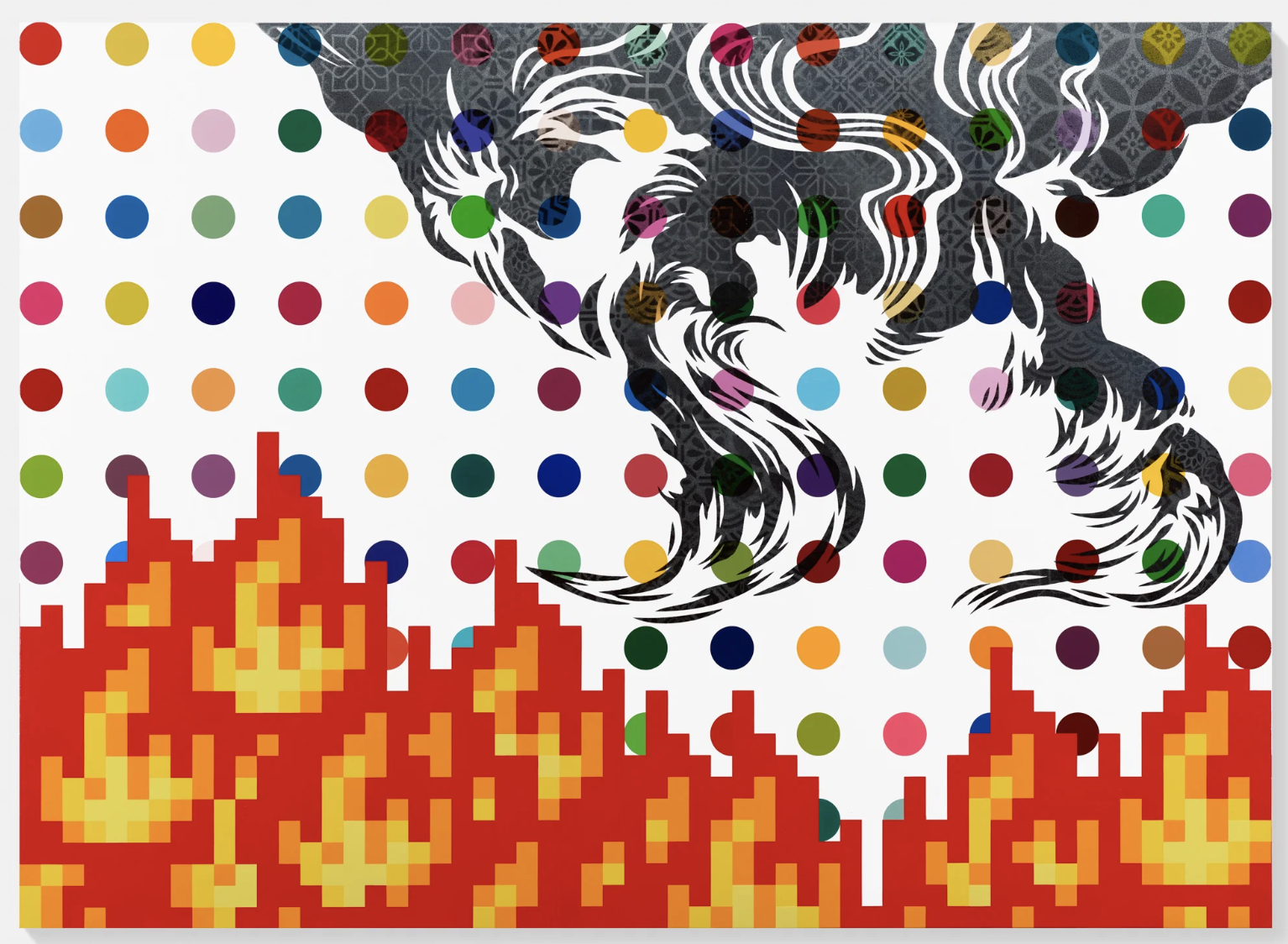
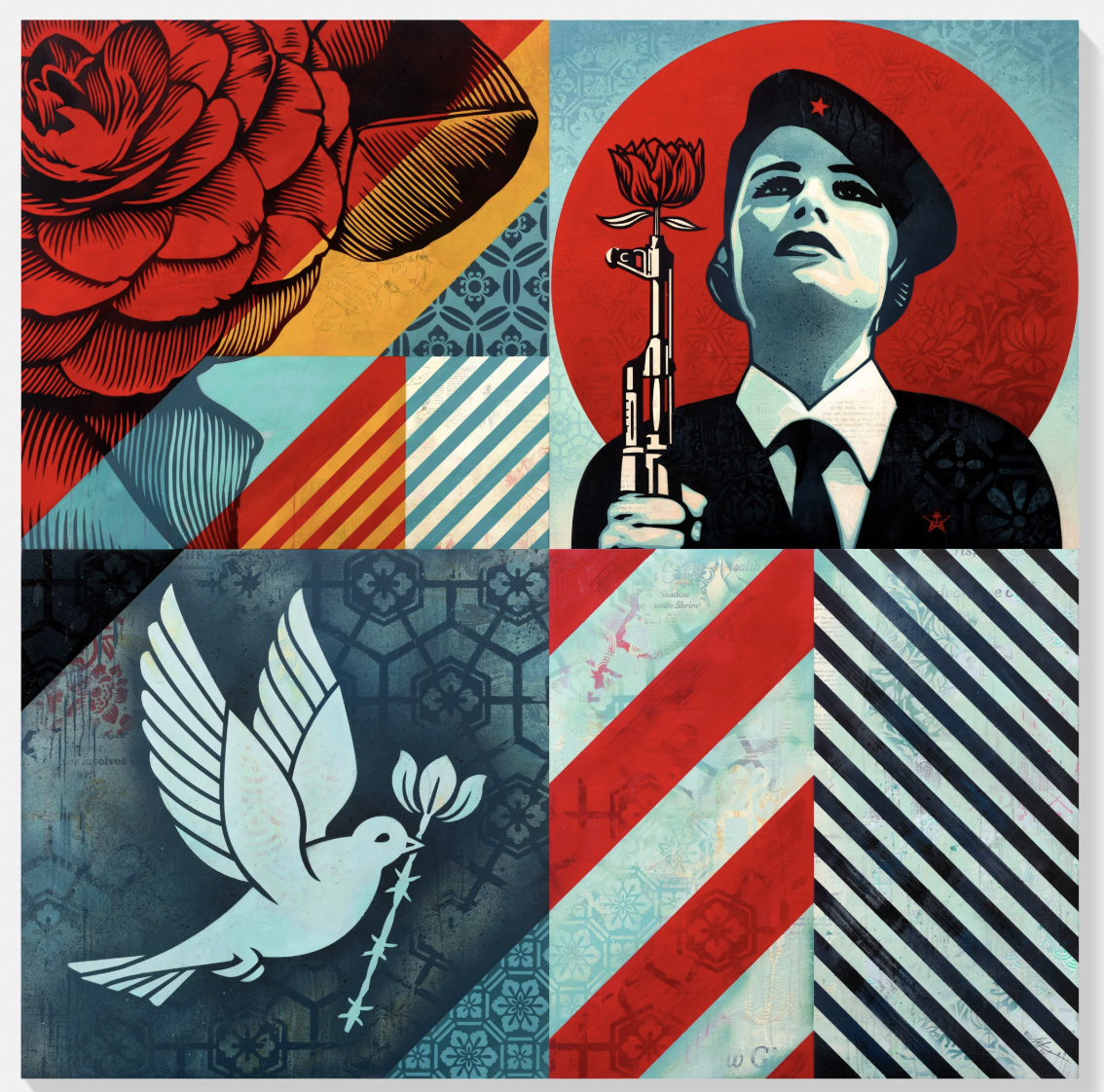
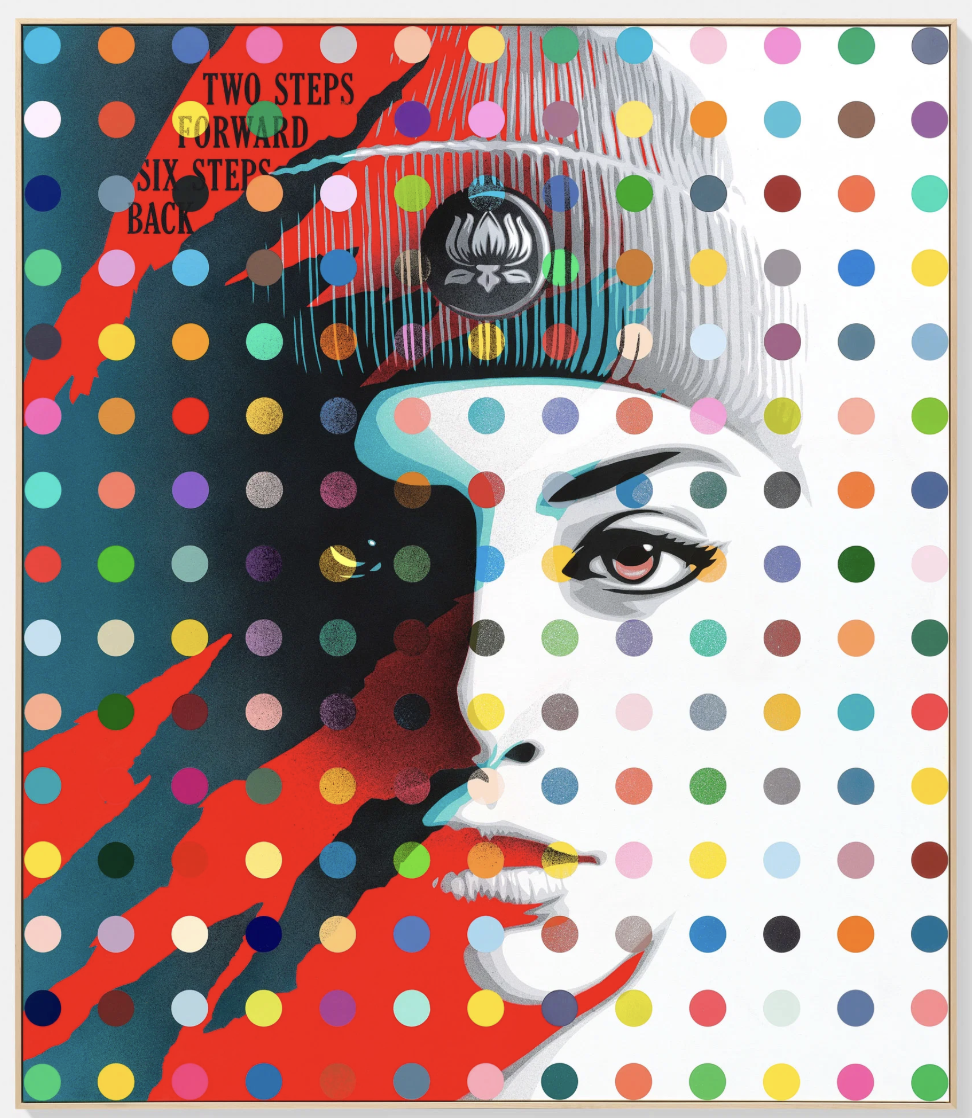
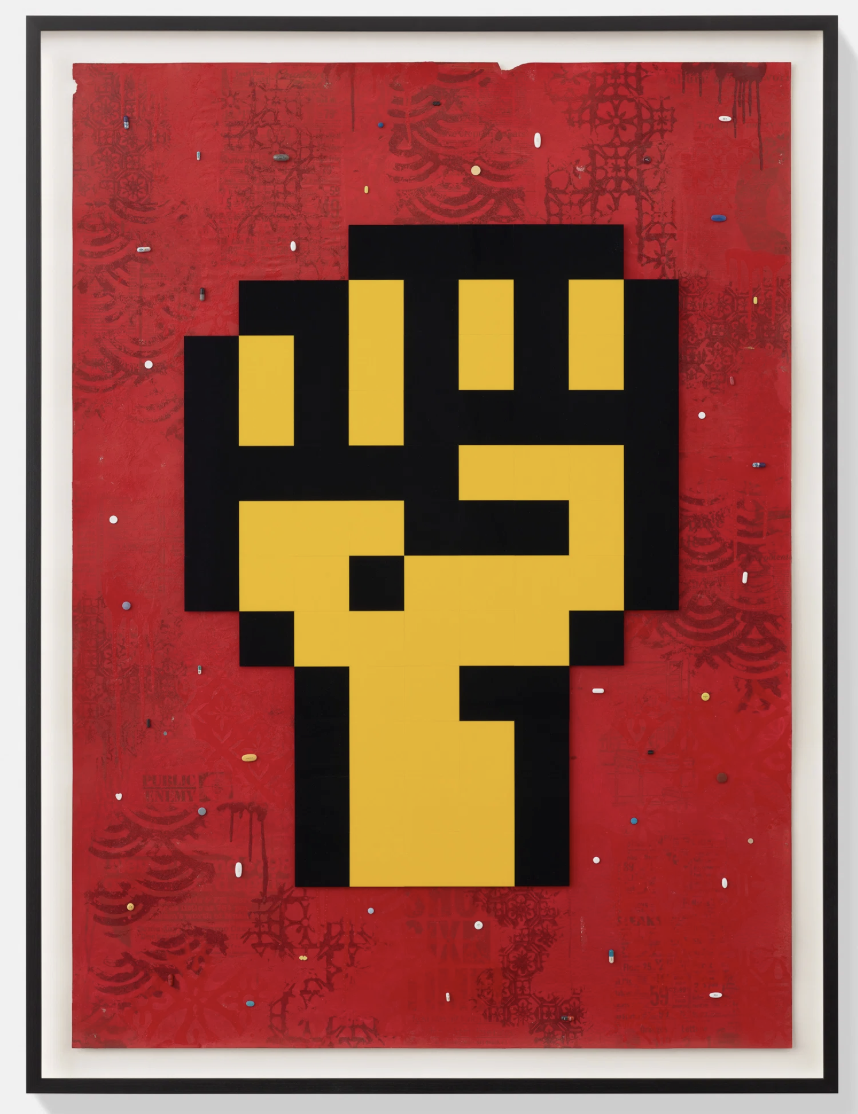
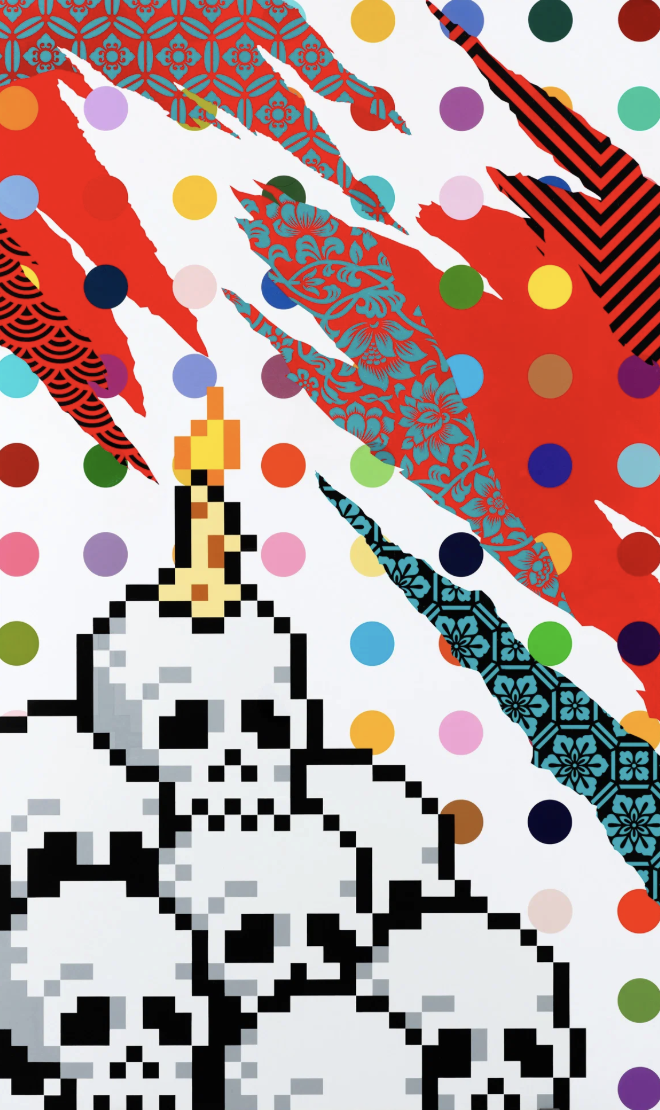
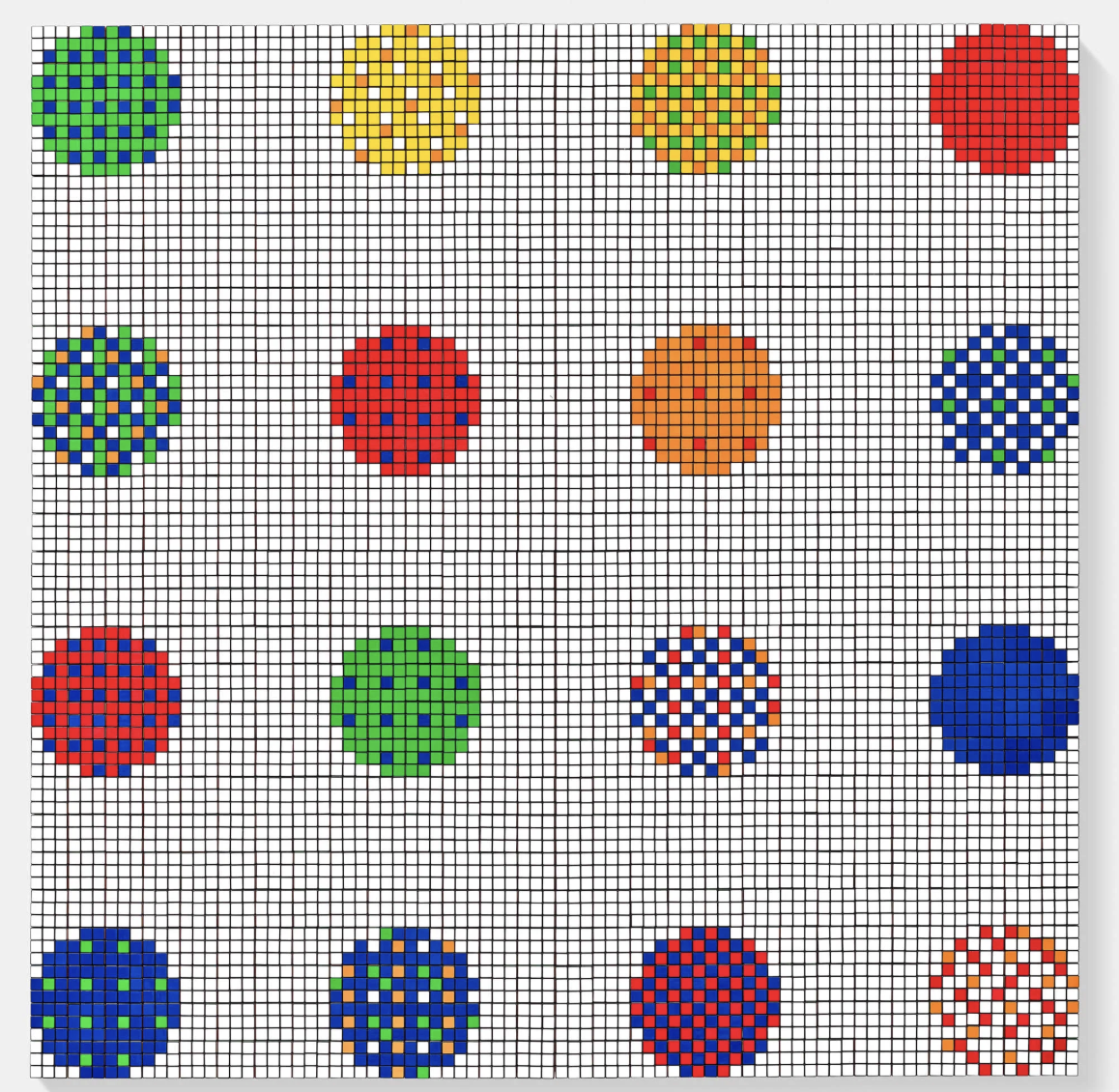
Triple Trouble at Newport Street Gallery Brings Shepard Fairey, Damien Hirst and Invader Into One Explosive Exhibition
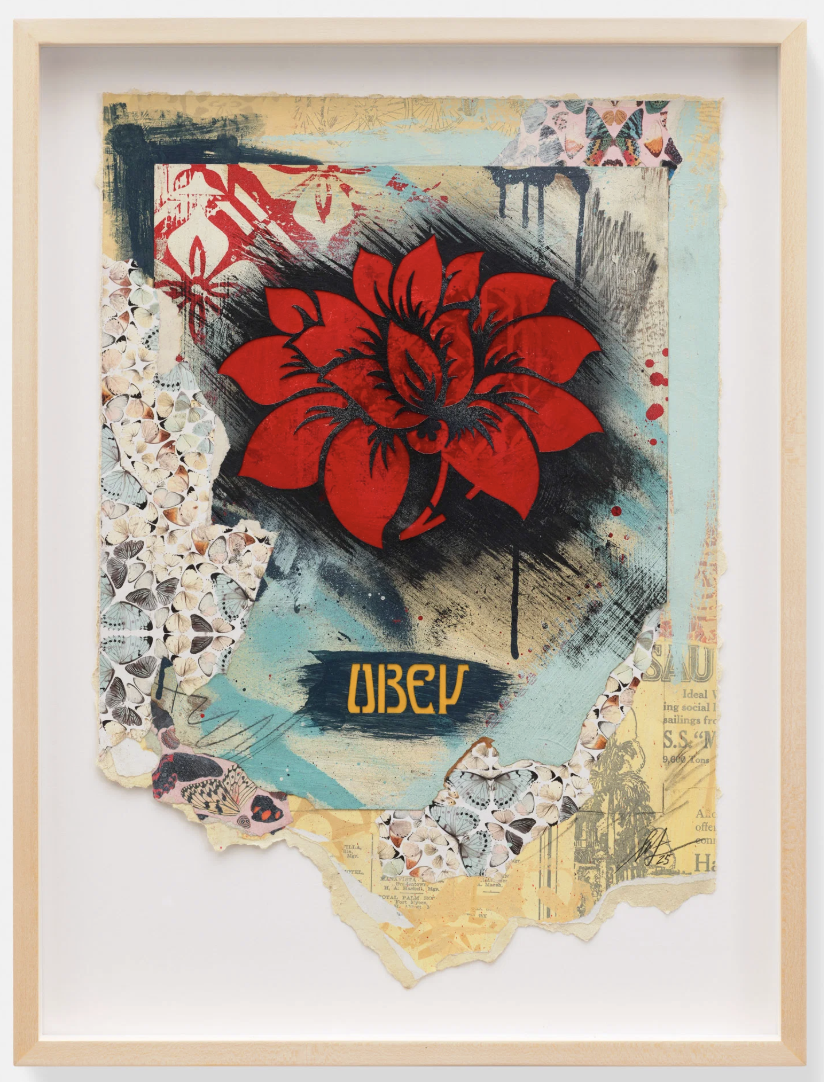
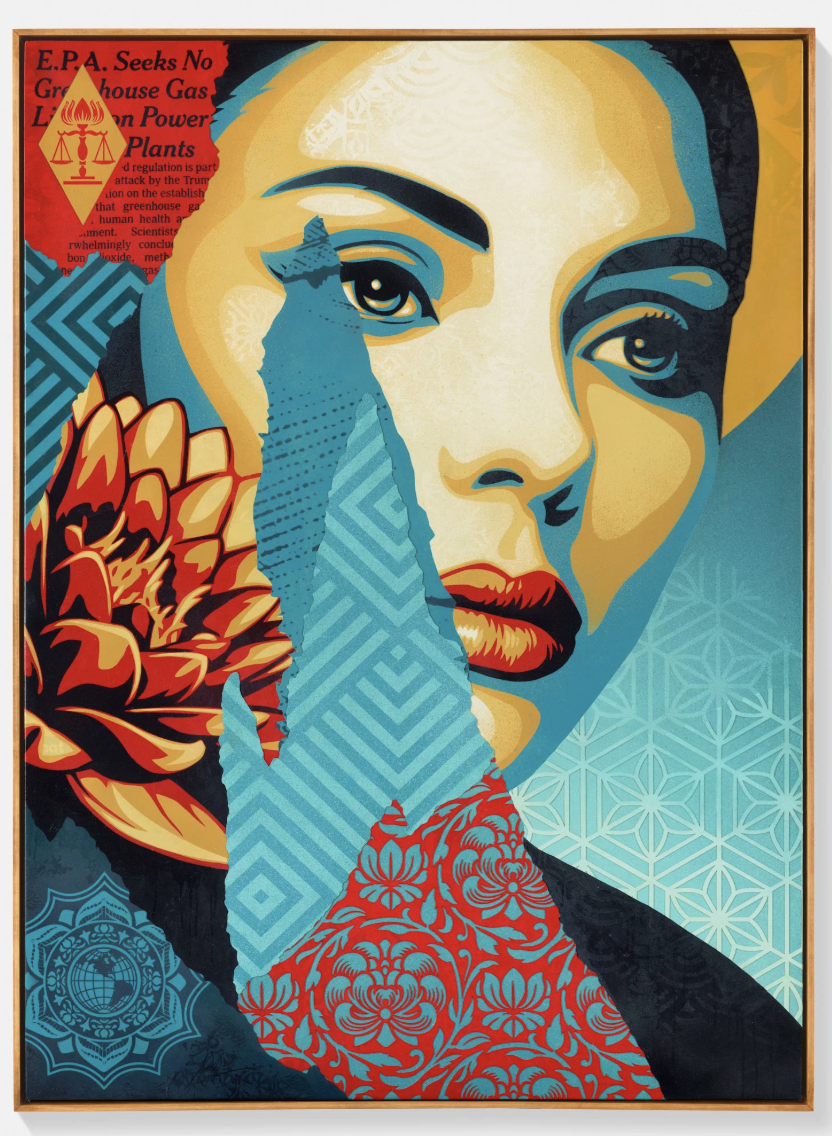
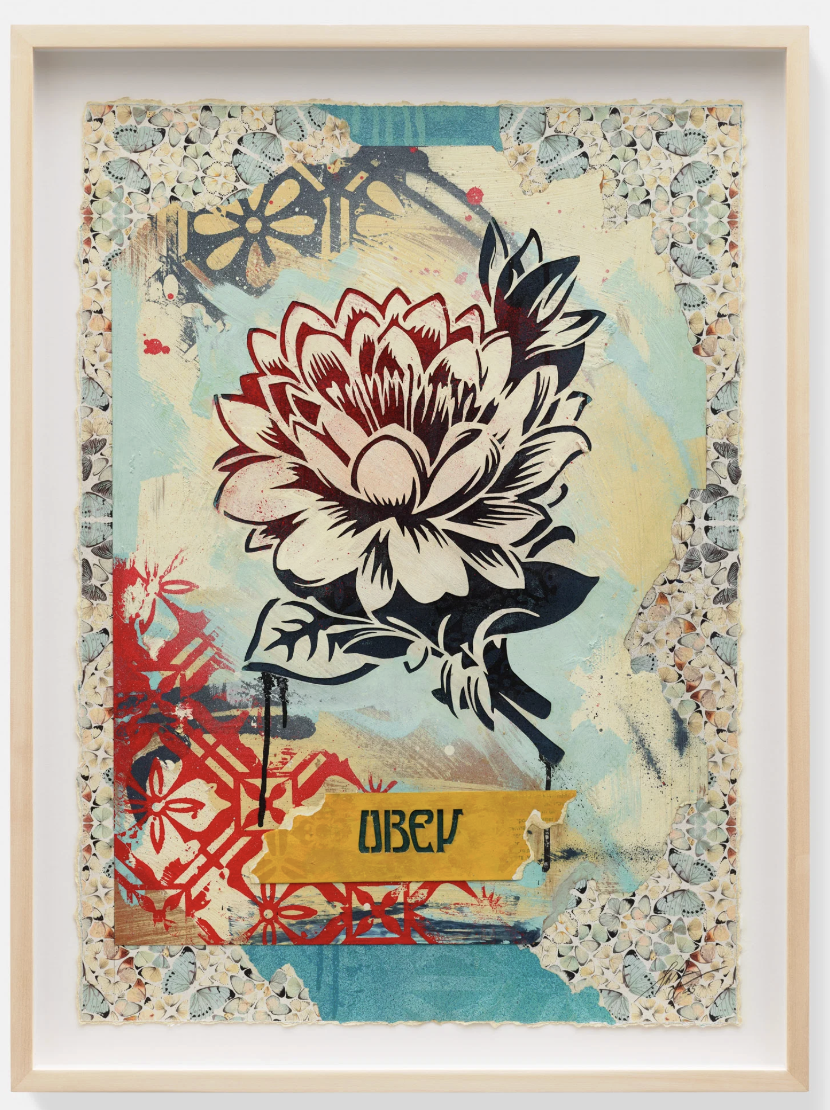
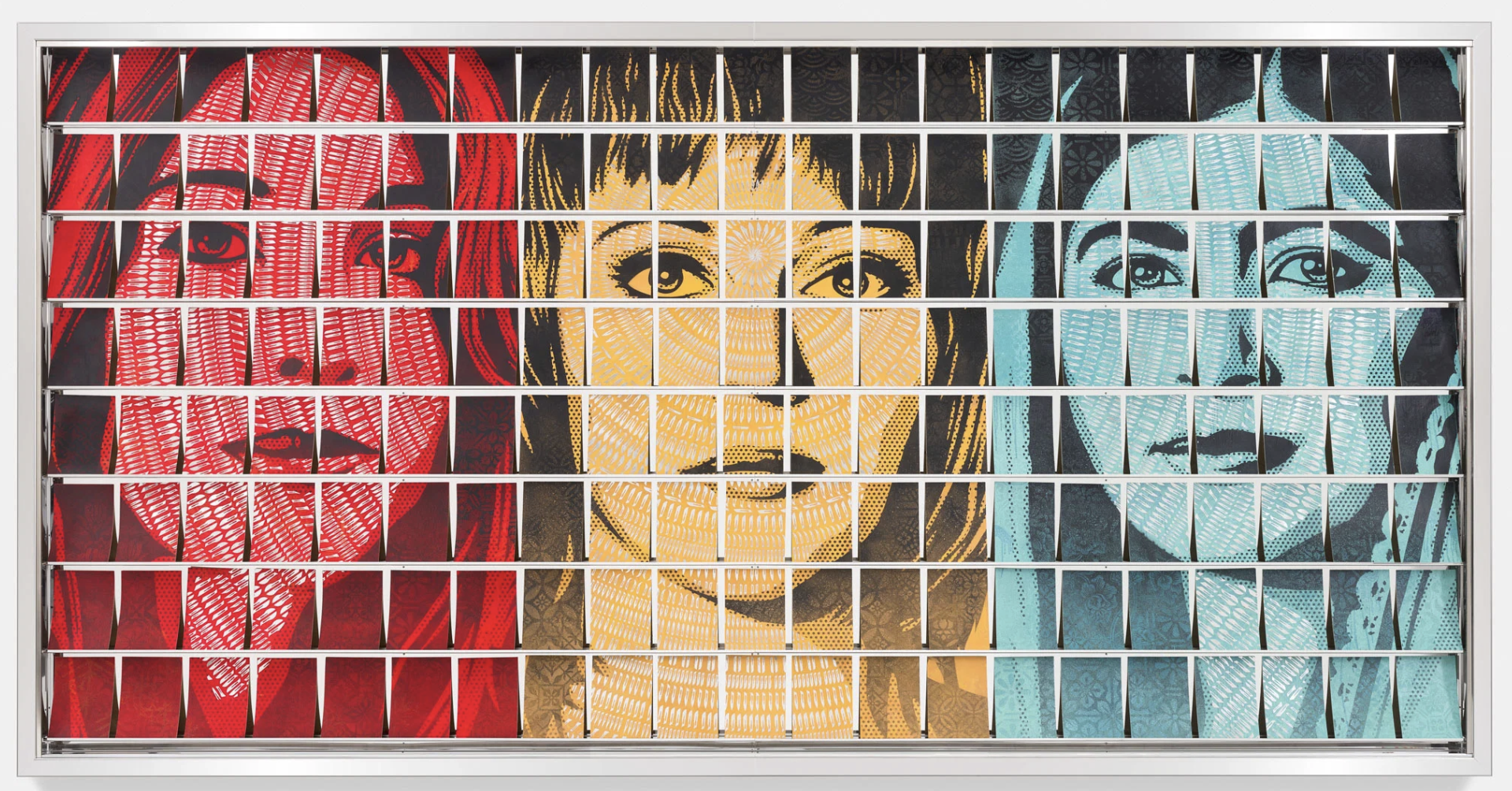
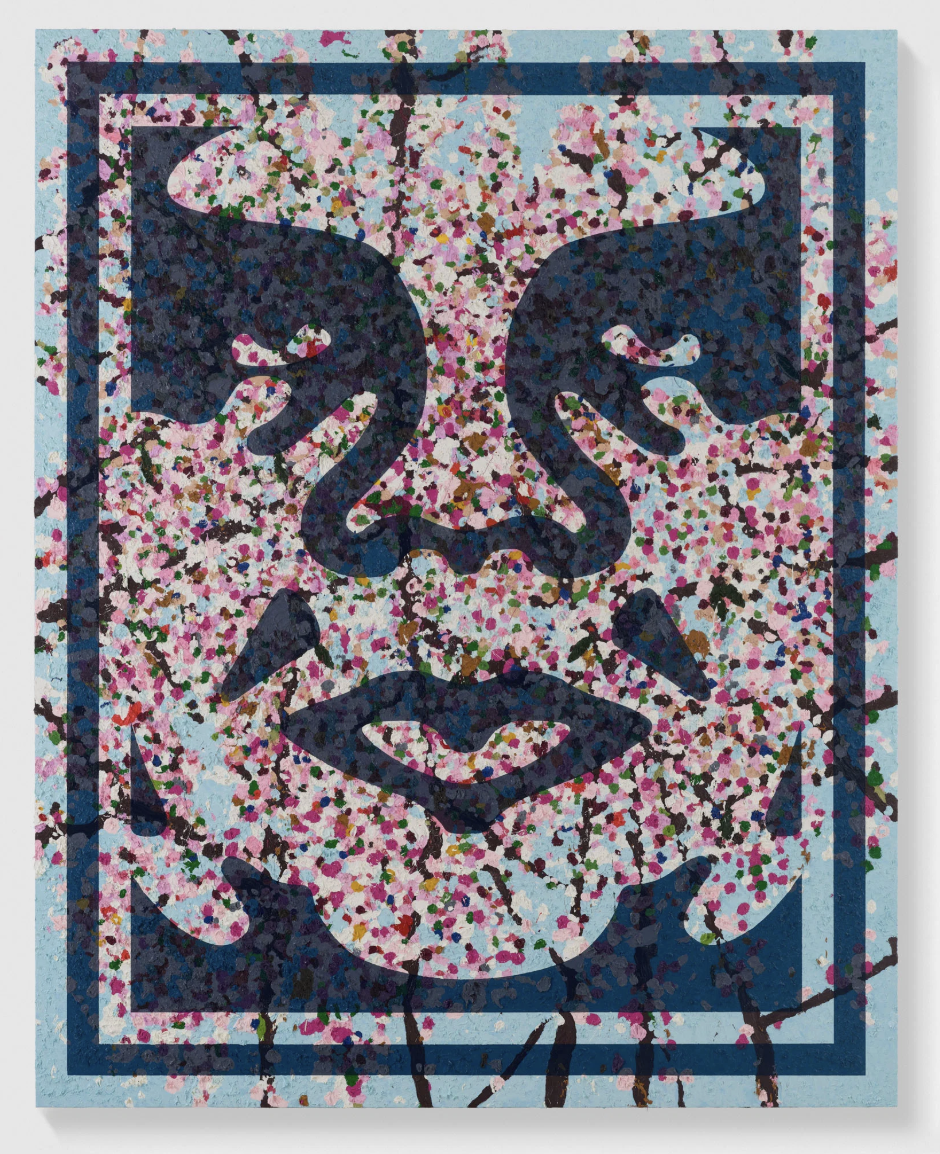
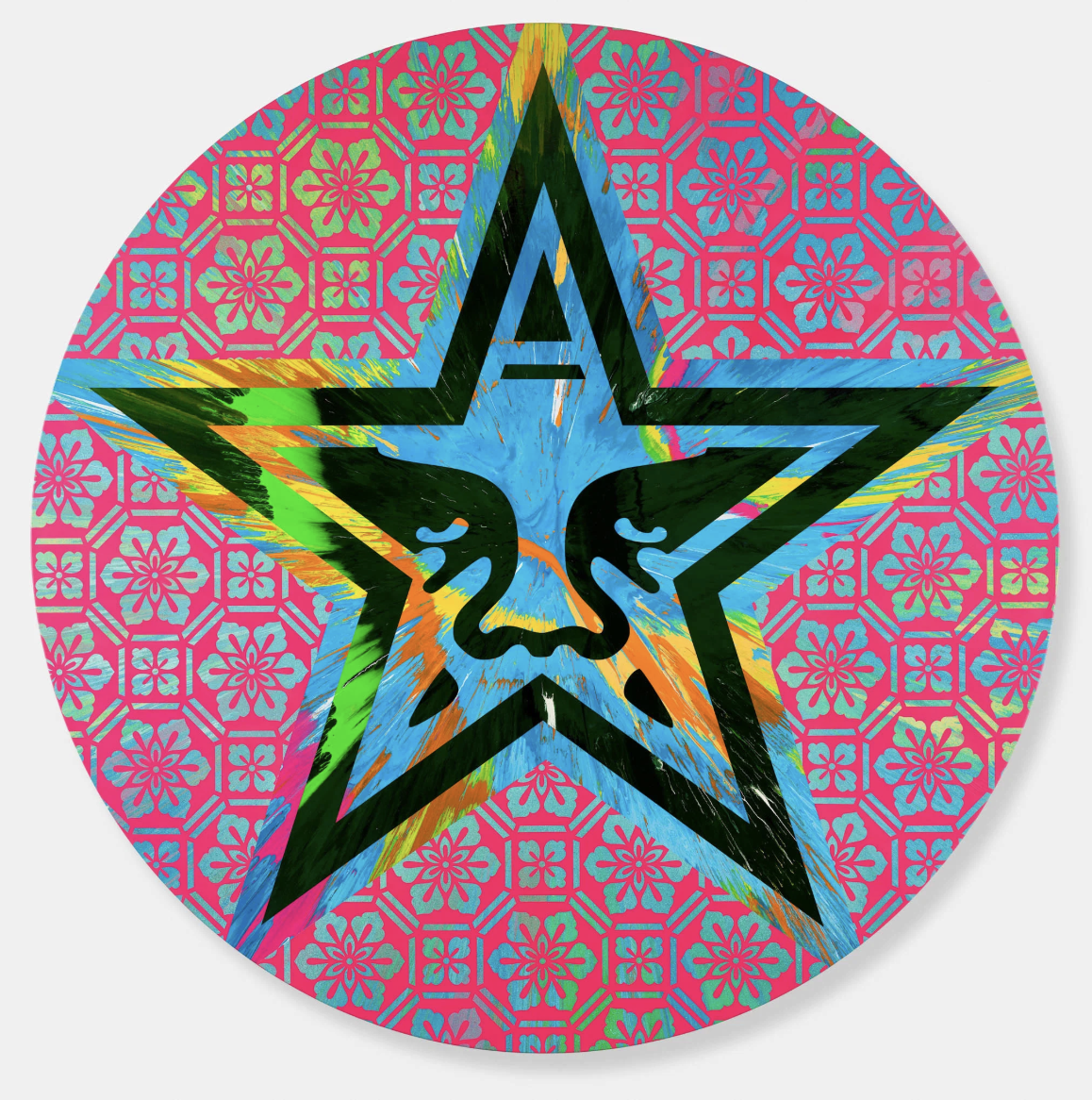
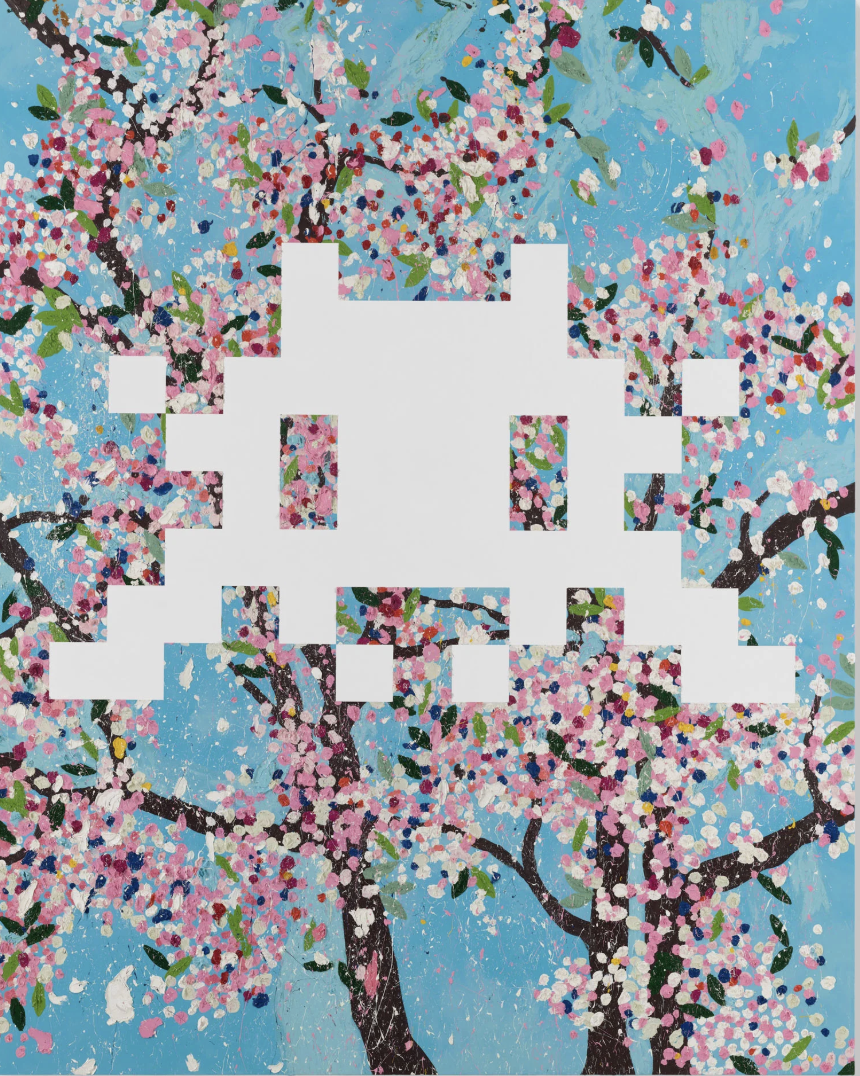
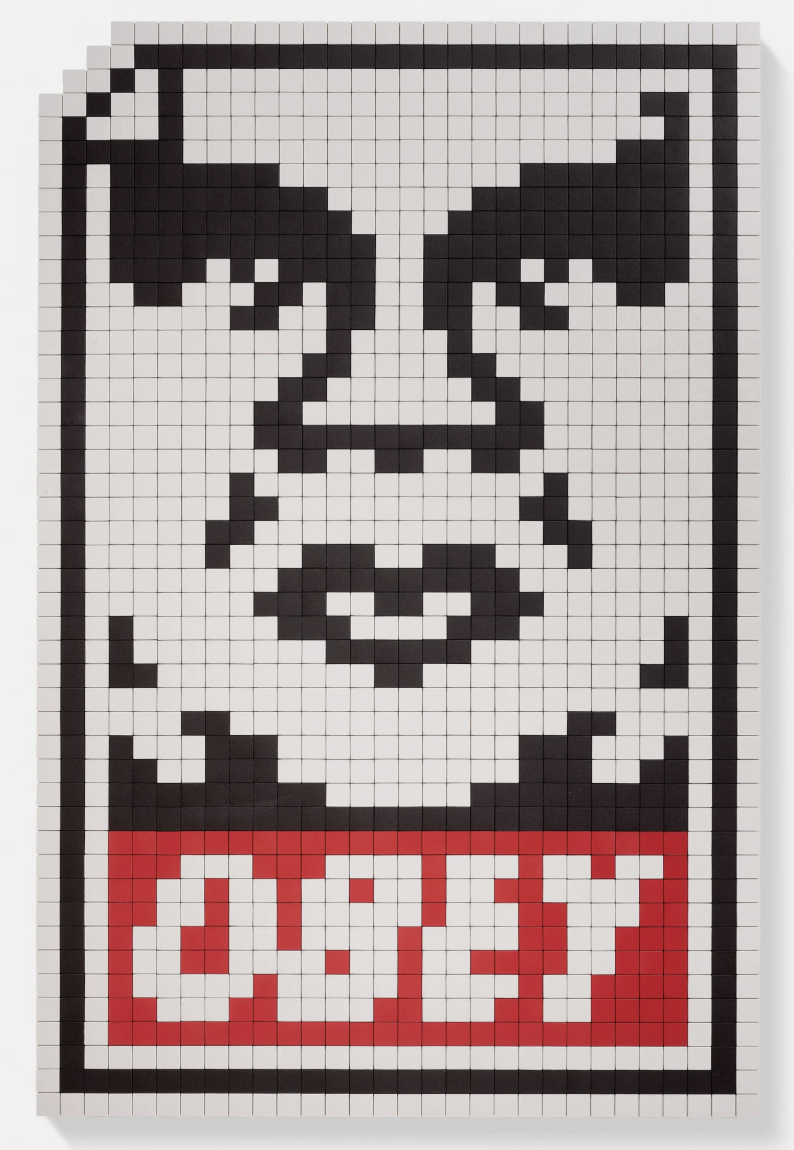
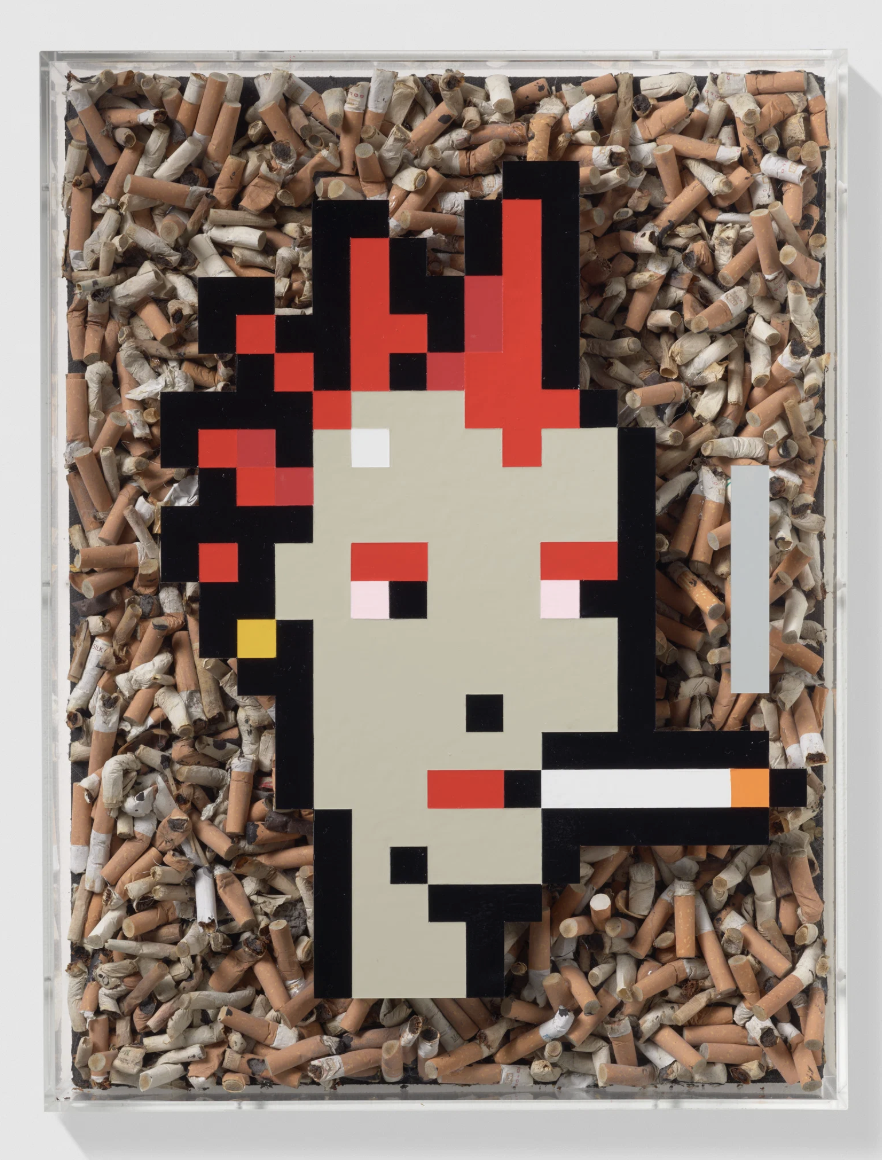
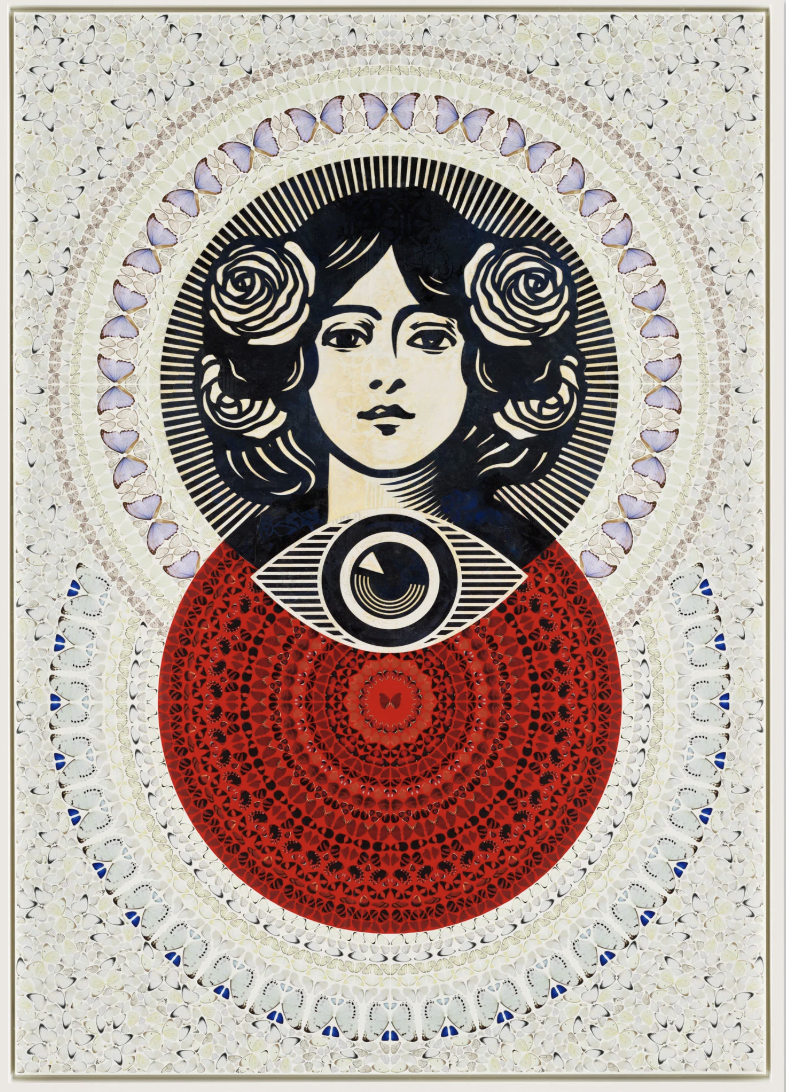
London is hosting a rare collision of three major forces in contemporary art and street culture with Triple Trouble, a new exhibition at Newport Street Gallery featuring collaborative works by Shepard Fairey, Damien Hirst and Invader. Bringing together three artists known for disrupting visual culture in very different ways, the show pushes beyond the idea of a traditional group exhibition and instead becomes a live visual confrontation between symbols, systems, repetition and rebellion.
For fans of street art in London, pop-infused contemporary art and artists who know how to hijack the public imagination, Triple Trouble lands as one of the most compelling exhibitions on view right now. The exhibition includes new paintings, sculptures, installations and mosaics, all built through a shared process that fuses the signature languages of its three collaborators into works that feel layered, strange, playful and visually aggressive.
Where street art, conceptual art and cultural iconography collide
What makes Triple Trouble stand out is not just the star power behind it, but the way it merges three very different artistic identities into one unstable and electrified space. This is not simply Shepard Fairey hanging beside Damien Hirst, or Invader showing work in parallel. Instead, the exhibition is built around actual collaboration, where their established motifs are pulled apart, remixed and rebuilt through shared authorship.
That means viewers can expect visual tension between Fairey’s propaganda-inspired iconography, Hirst’s obsession with order, display and repetition, and Invader’s pixelated invasion aesthetic, which has transformed city walls around the world into part of a global street-level game. The result is a body of work that moves between gallery and street logic, between pop recognition and conceptual construction, and between polished presentation and underground energy.
Triple Trouble turns familiar motifs into something unpredictable
Each artist enters the exhibition with a visual language that is already deeply embedded in contemporary culture. Shepard Fairey’s imagery is tied to activism, dissent and graphic intervention. Damien Hirst’s work has long challenged audiences through clinical structures, seduction, beauty and mortality. Invader continues to operate as one of the most recognizable anonymous street artists in the world, using tiled pixel mosaics to infiltrate public space and transform urban wandering into visual discovery.
In Triple Trouble, those worlds overlap. Recurring symbols are stripped of their usual boundaries and pushed into new configurations. Repetition becomes a shared code. Pop imagery becomes unstable. Street language becomes collectible. Fine art becomes more mischievous. There is a deliberate friction throughout the exhibition, but that friction is exactly what gives the show its charge.
Rather than softening their differences, the collaboration amplifies them. That makes Triple Trouble feel less like a polished crossover and more like an experiment in visual takeover.
Shepard Fairey, Damien Hirst and Invader each bring their own cultural weight
For street art audiences, Shepard Fairey remains one of the most influential figures to emerge from the late-20th-century urban art movement. From his early sticker campaigns to globally recognized political imagery and mural work, Fairey has spent decades using public-facing art to question power, propaganda and control.
Damien Hirst, though rooted more directly in the contemporary art institution, has always understood spectacle, symbol and mass recognition. His work operates at the intersection of conceptual thinking and visual branding, making him an unexpectedly fitting collaborator in a project focused on repetition and iconography.
Then there is Invader, whose mosaics have appeared across cities, coastlines and unlikely remote locations, turning public space into both a canvas and a hunt. His work is inseparable from the language of the street, but it also connects directly to digital culture, gaming history and coded visual systems. In this exhibition, that energy becomes part of a larger conversation about how images circulate, repeat and embed themselves into everyday life.
One of the most talked-about London exhibitions for fans of urban art
For visitors looking for the best contemporary art exhibitions in London, Triple Trouble offers something unusually sharp. It speaks to collectors, gallery audiences and street art followers at the same time. It also raises bigger questions about what happens when artists known for strong individual brands choose to collaborate instead of compete.
That tension makes the exhibition especially relevant now. In an art landscape shaped by image overload, viral symbolism and constant remix culture, Triple Trouble feels timely. It reflects a world where authorship is blurred, icons are endlessly recycled and cultural meaning is built through repetition as much as originality.
And yet, for all its conceptual weight, the exhibition does not lose its visual punch. It still has the immediate hit of recognizable imagery colliding in unexpected ways. It still understands seduction, disruption and scale. It still knows how to grab attention.
Limited-edition prints extend the exhibition beyond the gallery walls
Alongside the exhibition, HENI is also presenting Invaded & Commanded Blossom, a pair of limited-edition prints tied to the collaborative works on view. For collectors and followers of these artists, the print release adds another layer to the project, allowing the exhibition’s imagery to circulate beyond the physical space of Newport Street Gallery.
That extension matters, especially for an exhibition rooted in artists whose practices have always moved between public encounter, mass distribution and cultural visibility.
Visit Triple Trouble at Newport Street Gallery
Triple Trouble is on view at Newport Street Gallery in London until 29 March 2026. Admission is free, making it an easy addition to any London art itinerary for those interested in street art, urban contemporary art, pop iconography and major artist collaborations.
With Shepard Fairey, Damien Hirst and Invader sharing the same creative territory, Triple Trouble delivers more than a headline-worthy lineup. It offers a real exchange between three distinct visual systems, each one rooted in recognition, repetition and disruption. For anyone interested in where the gallery meets the street, this is a show worth seeing.