

KEITH HARING: IN THE STREET — WHERE GRAFFITI MEETS MOTION
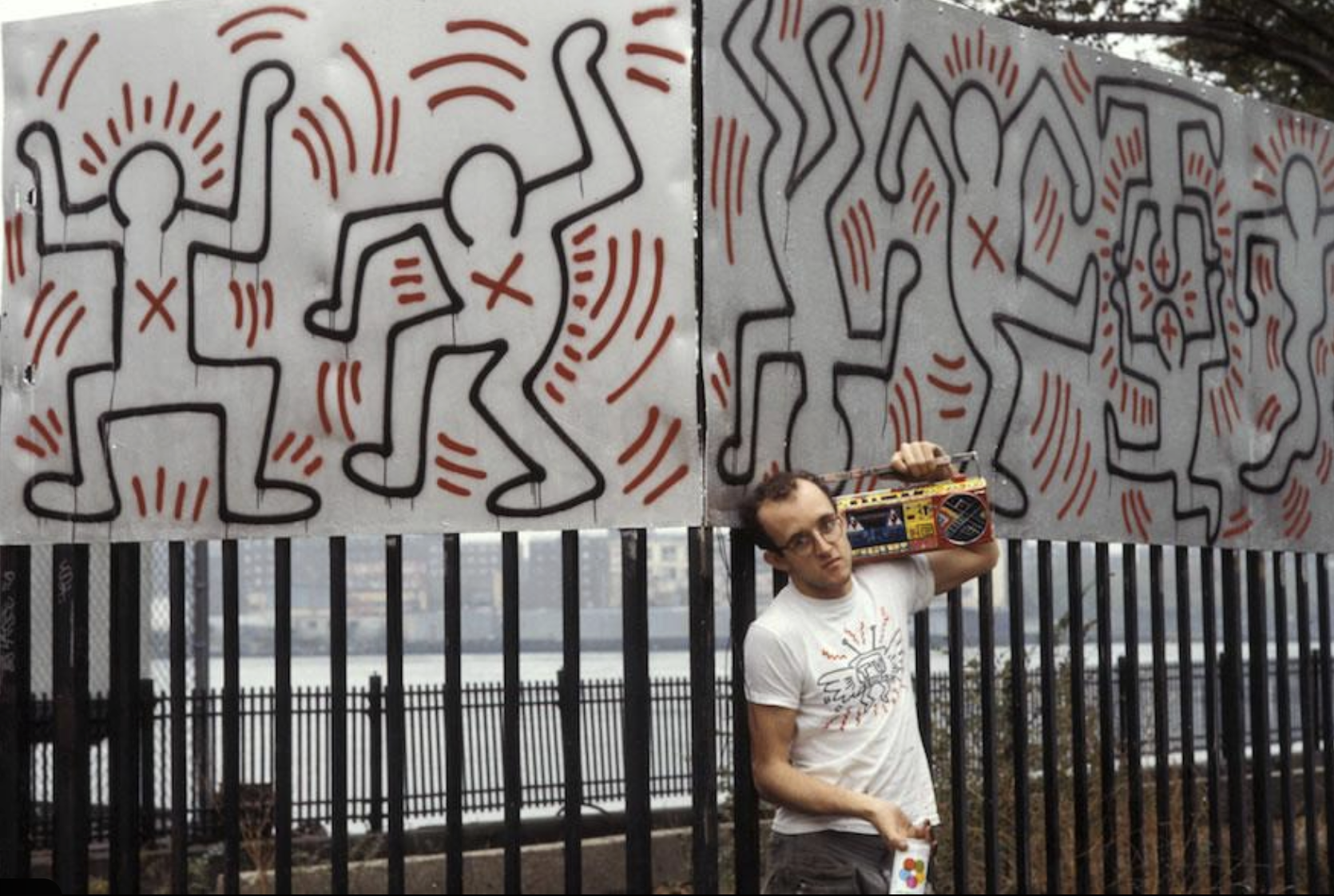
For ten days only, downtown New York becomes a living archive of movement, rebellion, and line. Keith Haring: In the Street isn’t just an exhibition—it’s a return. A reclamation of space. A reminder that before galleries, before institutions, there was the street.
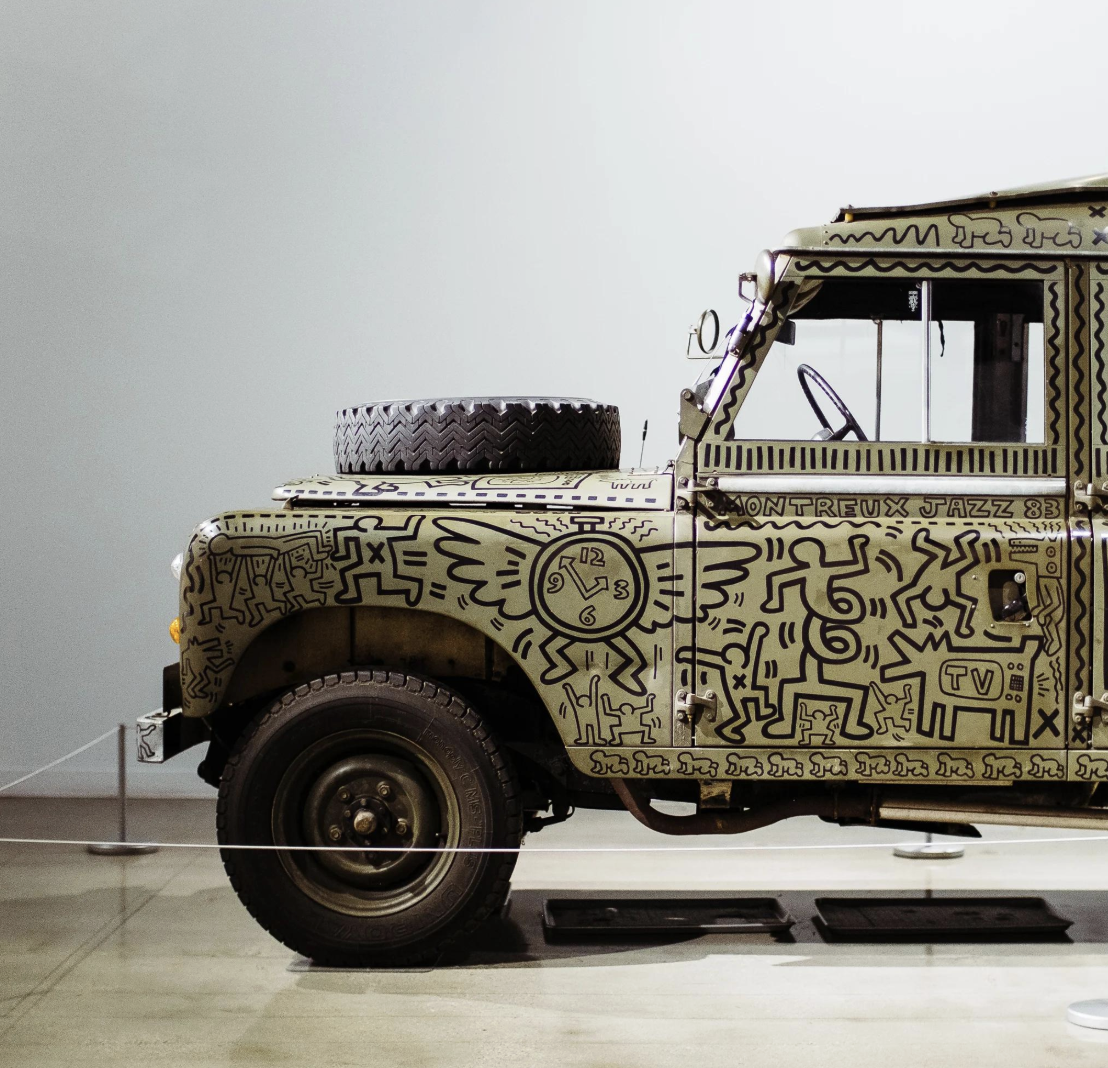
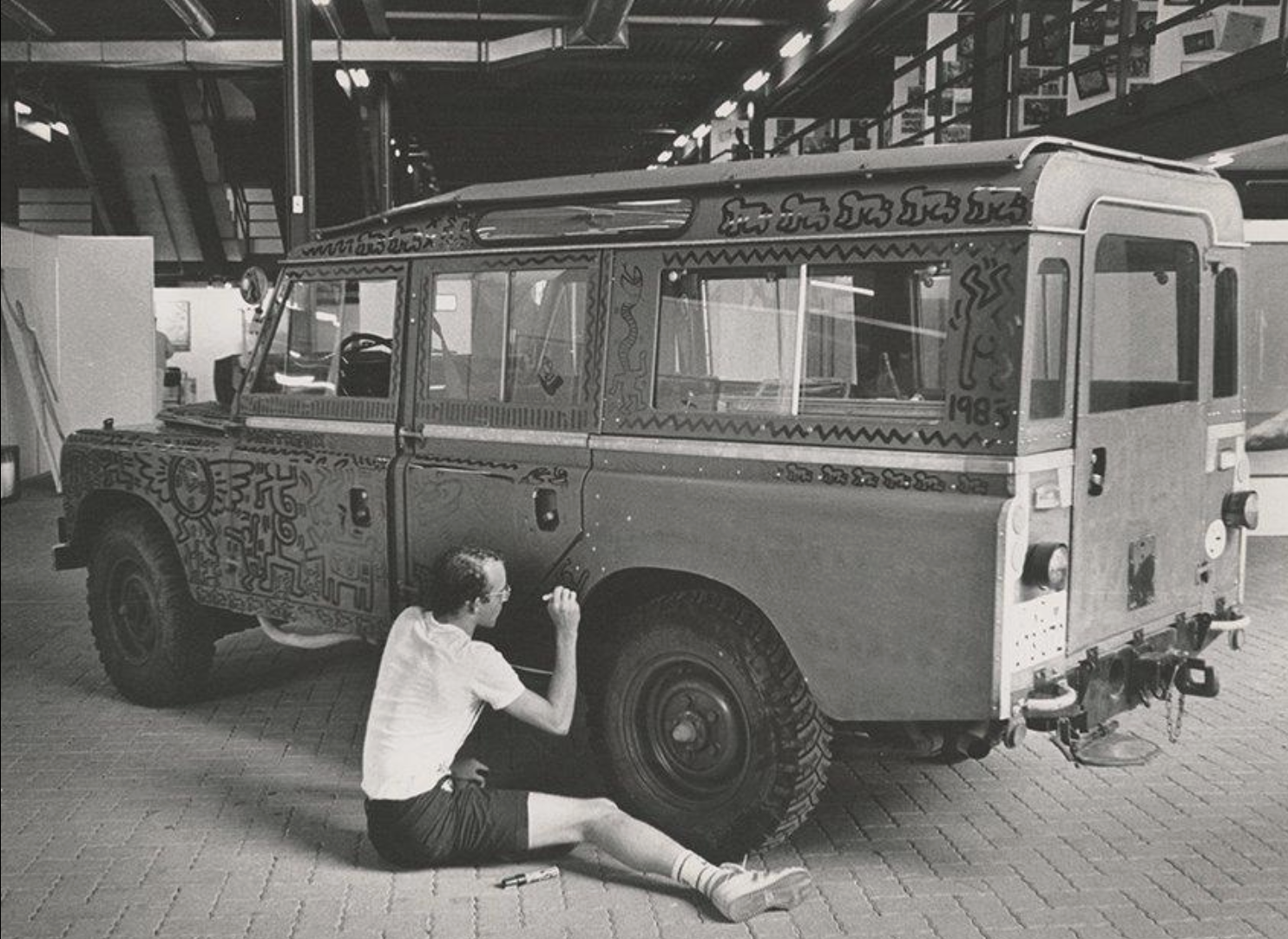
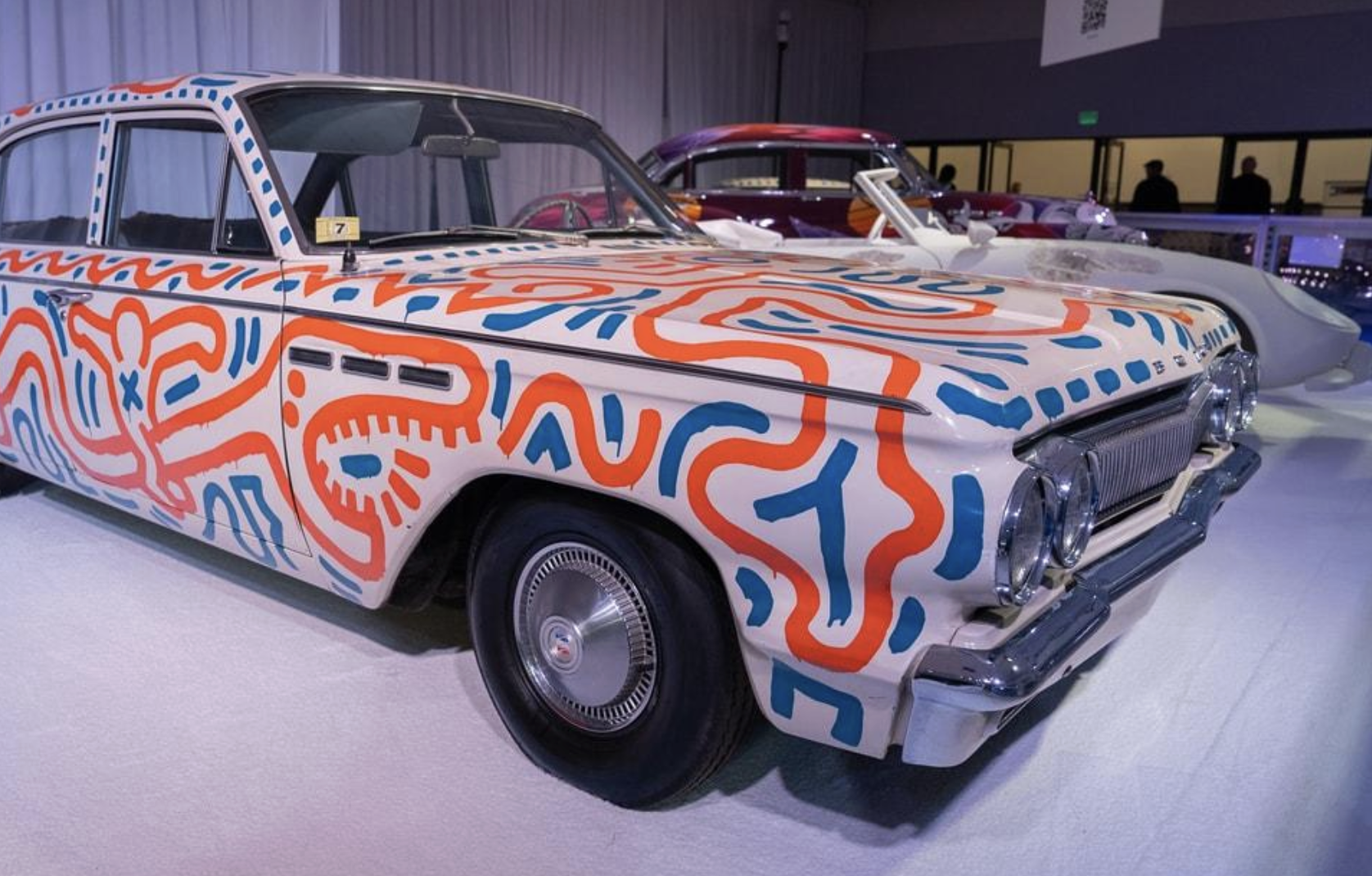
Hosted at 16 Morton Street, this rare installation pulls two of Keith Haring’s most iconic—and rarely seen—works back into the city that shaped him: a painted 1963 Buick Special and a Land Rover Series III from the 1983 Montreux Jazz Festival. For the first time ever in New York, they exist together in one room, charged with the same raw energy that once pulsed through subway tunnels and downtown sidewalks.
ART THAT MOVES—LITERALLY
Haring never believed art should sit still.
The Buick, painted in 1986, feels like it could drive straight out of the room—covered in his unmistakable language of radiant babies, barking dogs, and kinetic lines. The Land Rover, originally unveiled at the Montreux Jazz Festival in 1983, carries a different rhythm—one shaped by music, improvisation, and global culture.
Together, they blur boundaries: sculpture, painting, performance, and street intervention. These aren’t objects to observe—they’re artifacts of motion, proof that Haring’s work was always meant to exist in public, in flux, in life.
BACK TO THE STREET ROOTS
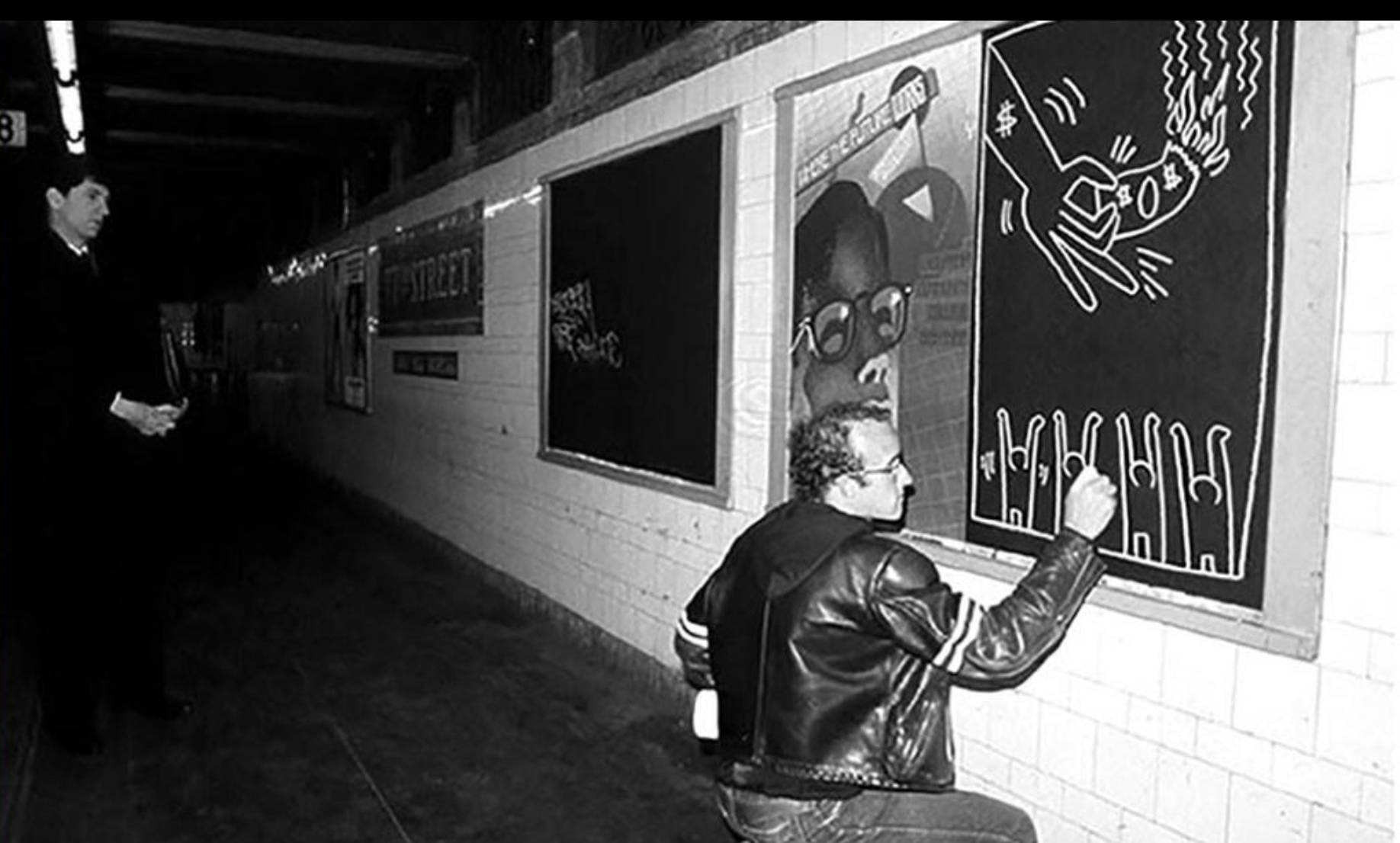
Before the art world caught on, Haring was already everywhere—drawing in subway stations, filling blank advertising panels with chalk figures that moved as fast as the city itself.
This exhibition taps directly into that origin story. It’s less about nostalgia and more about context. By placing these works back into New York, In the Street reconnects Haring’s practice to the environment it was built for: urban, unpredictable, and unapologetically public.
Alongside the cars, visitors can move through original artworks, archival photographs, and the newly released book Keith Haring in 3D, published by Phaidon Press. The book expands on a side of Haring that often gets overlooked—his exploration beyond flat surfaces into objects, environments, and immersive forms.
A LIVING CONVERSATION
More than a static show, the space evolves through a series of intimate talks and gatherings—artists, writers, and longtime collaborators of Haring reflecting on his legacy, influence, and the urgency of his message today.
There’s a sense that this isn’t just about looking back. It’s about asking what it means to create in public now. What it means to disrupt space. What it means to make art that belongs to everyone.
WHY THIS MATTERS NOW
In a time where street culture is endlessly appropriated and repackaged, Keith Haring: In the Street cuts through the noise. It reminds us of a moment when art wasn’t filtered, branded, or confined—it was immediate.
Haring’s work still hits because it was never passive. It demanded attention. It invited participation. It lived outside the system.
And for ten days in New York, it does again.