

“WHAT WE LEAVE BEHIND” HERA & CASE MACLAIM
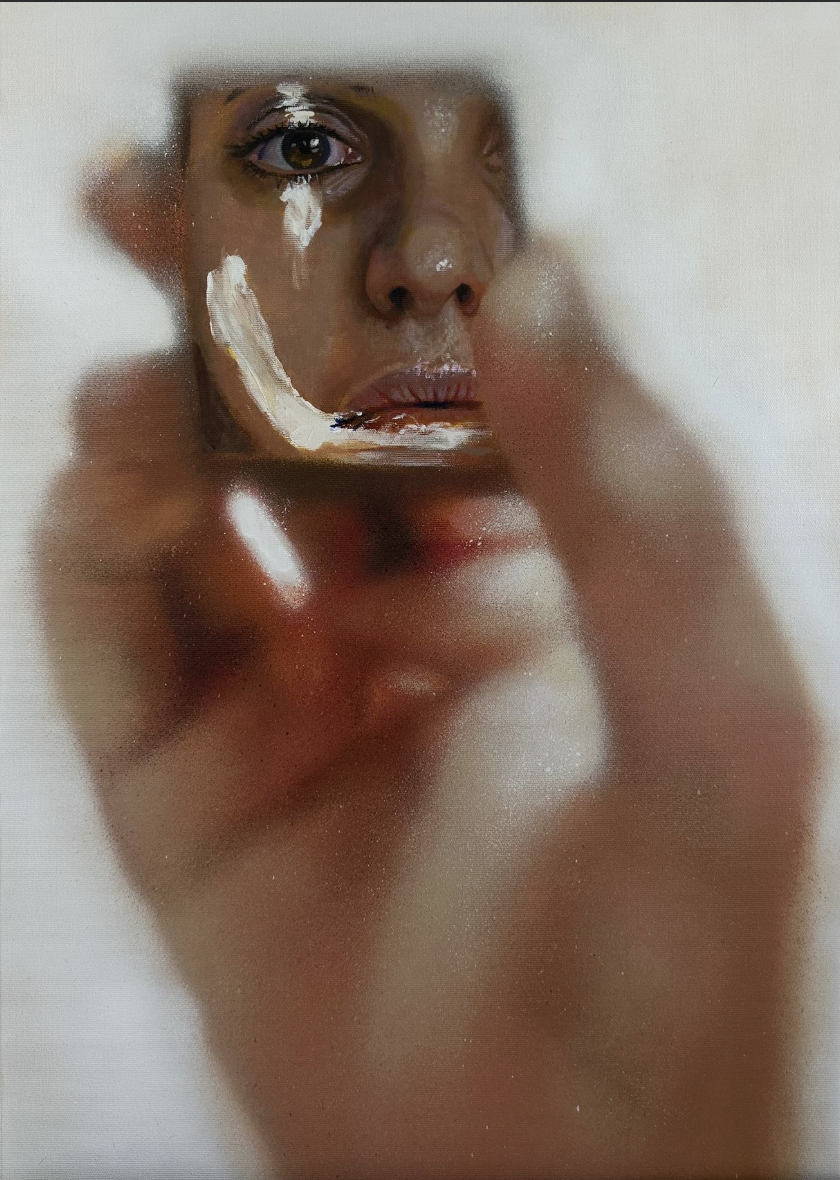
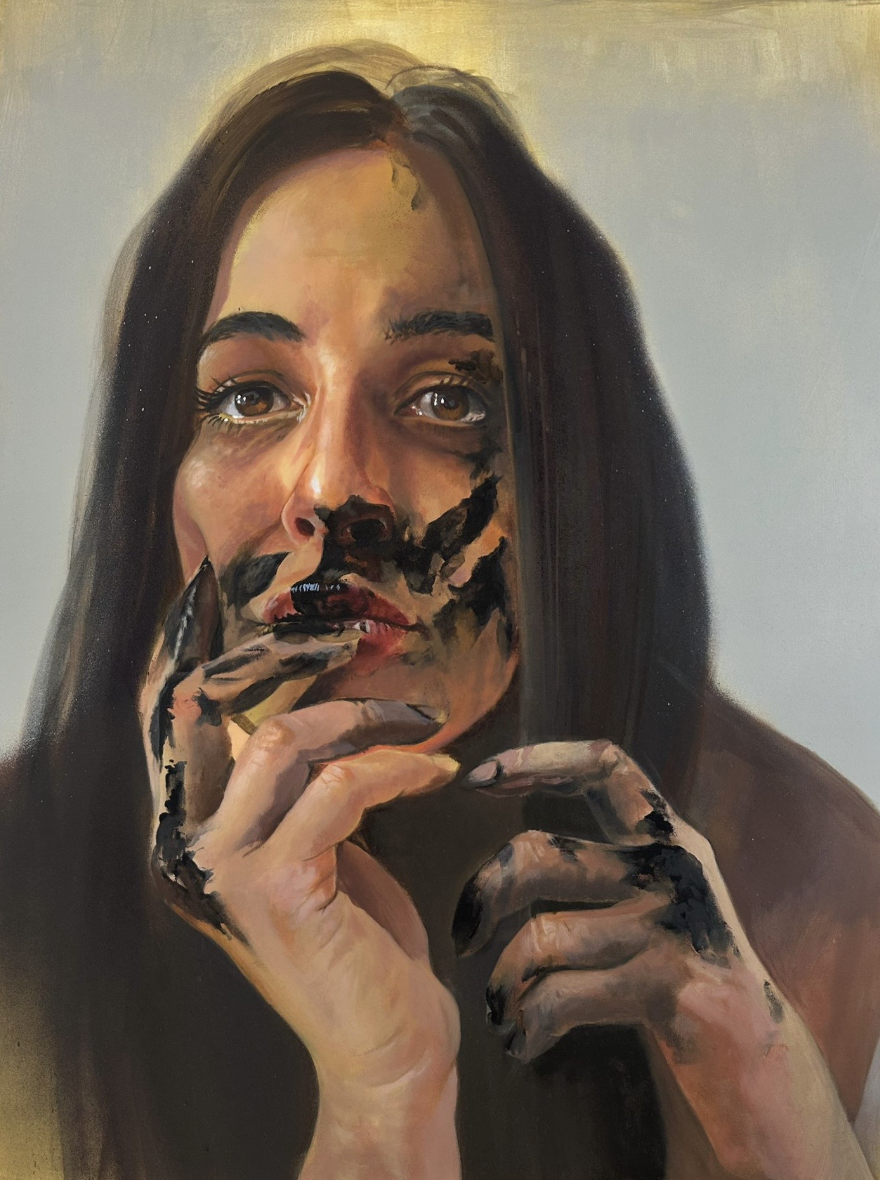
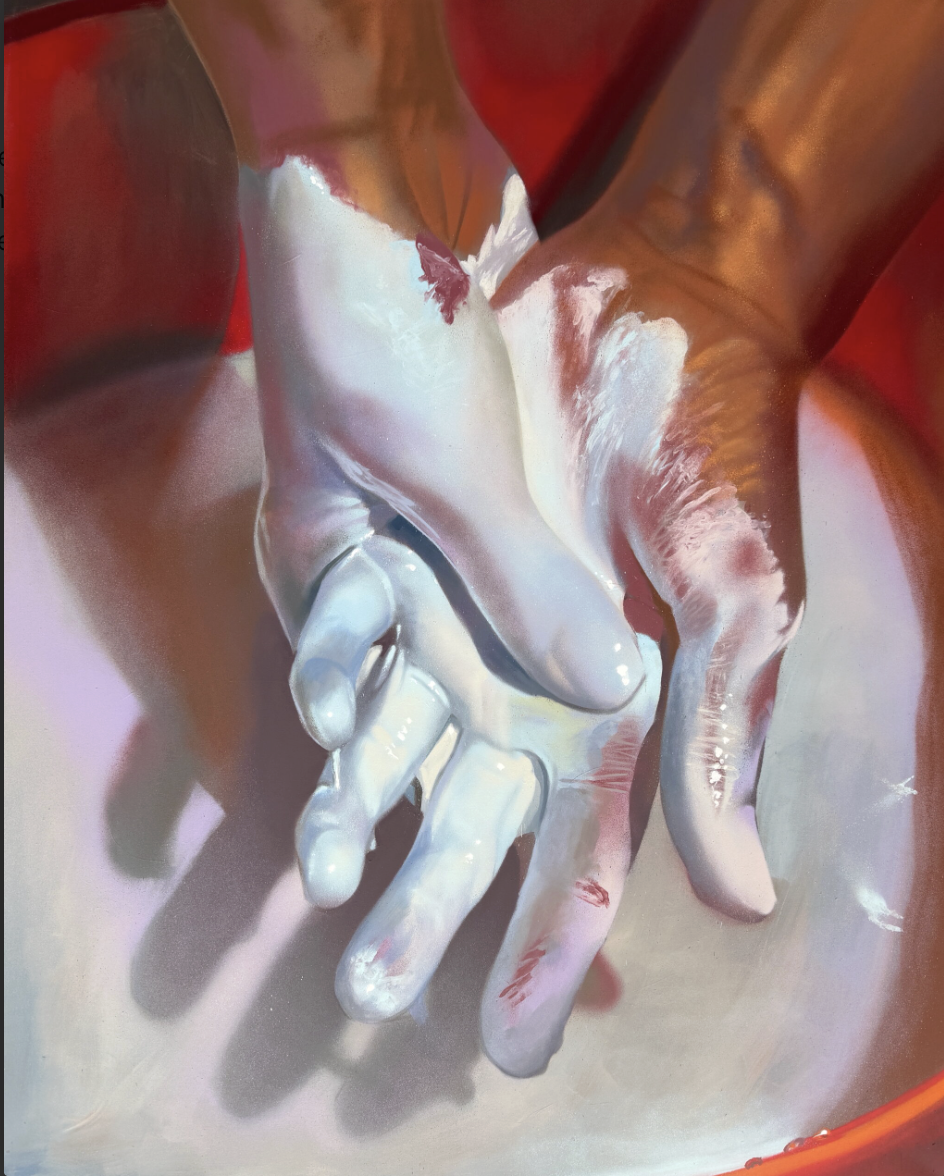
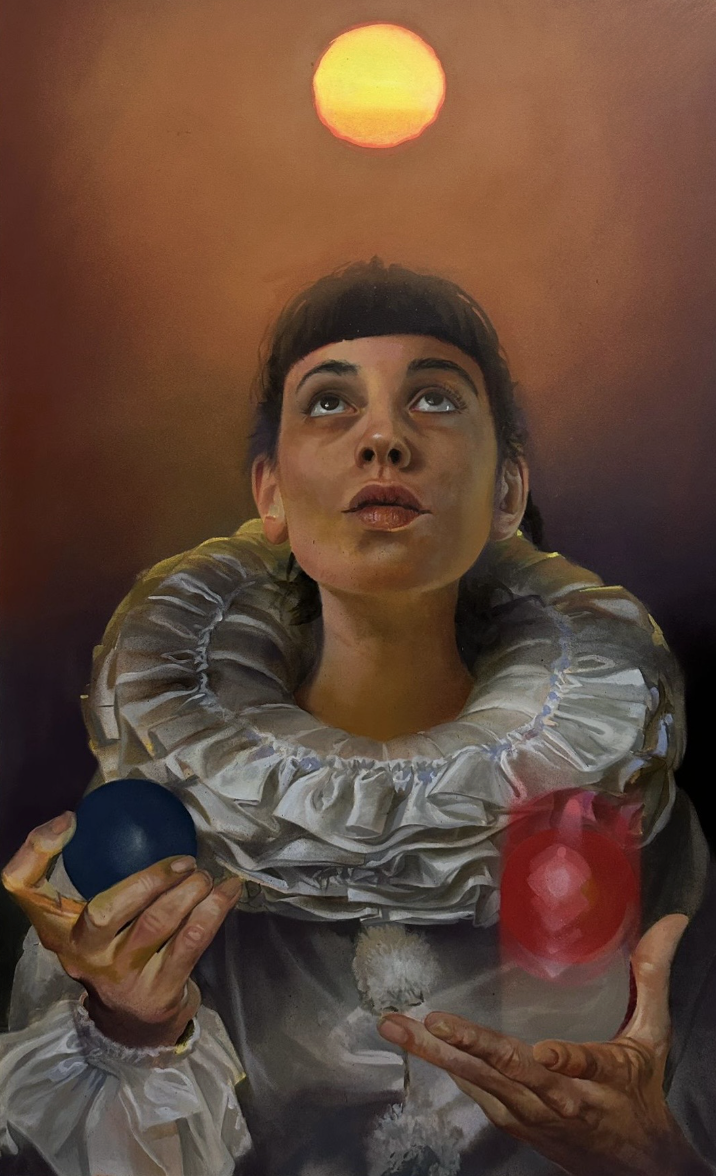
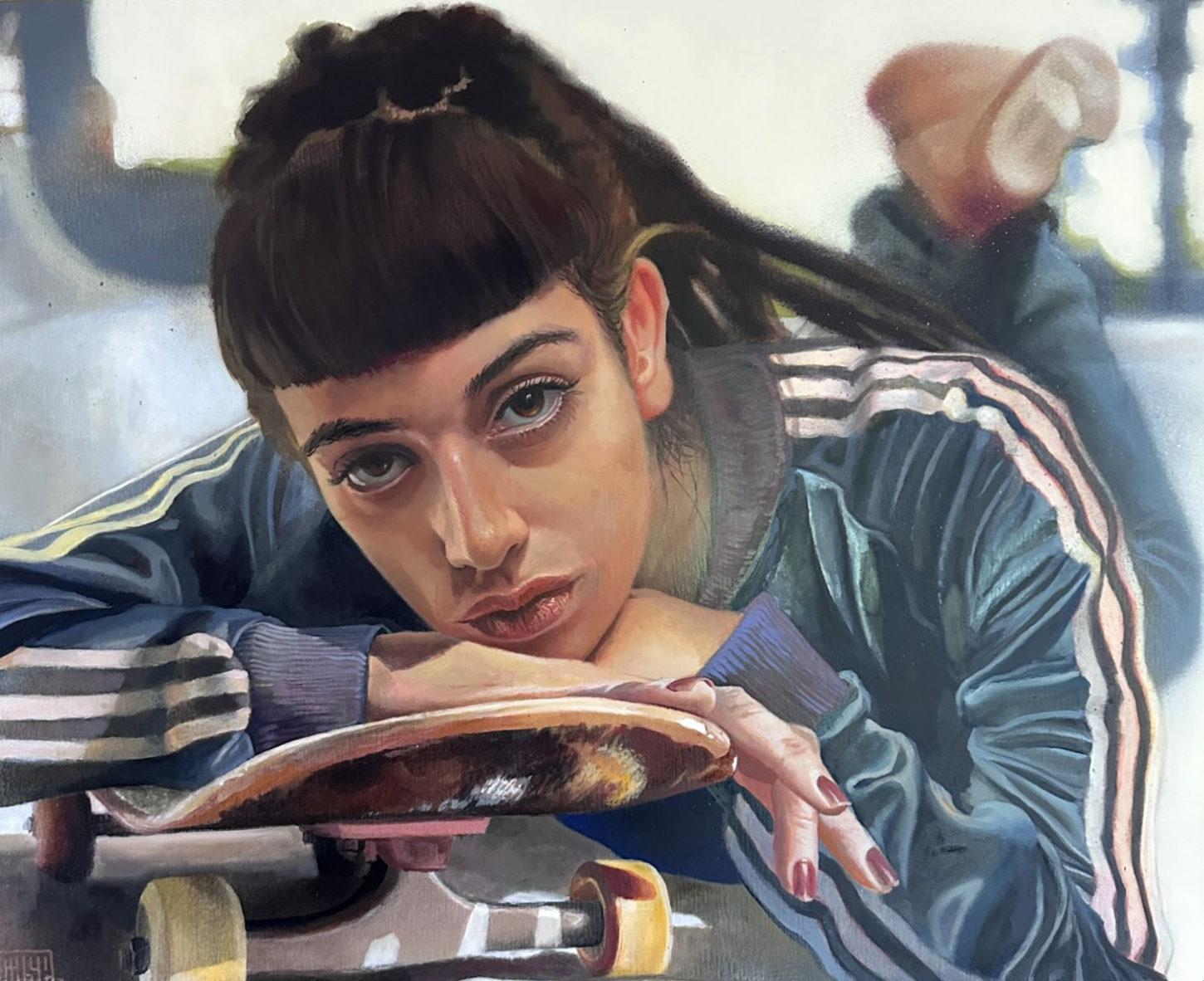
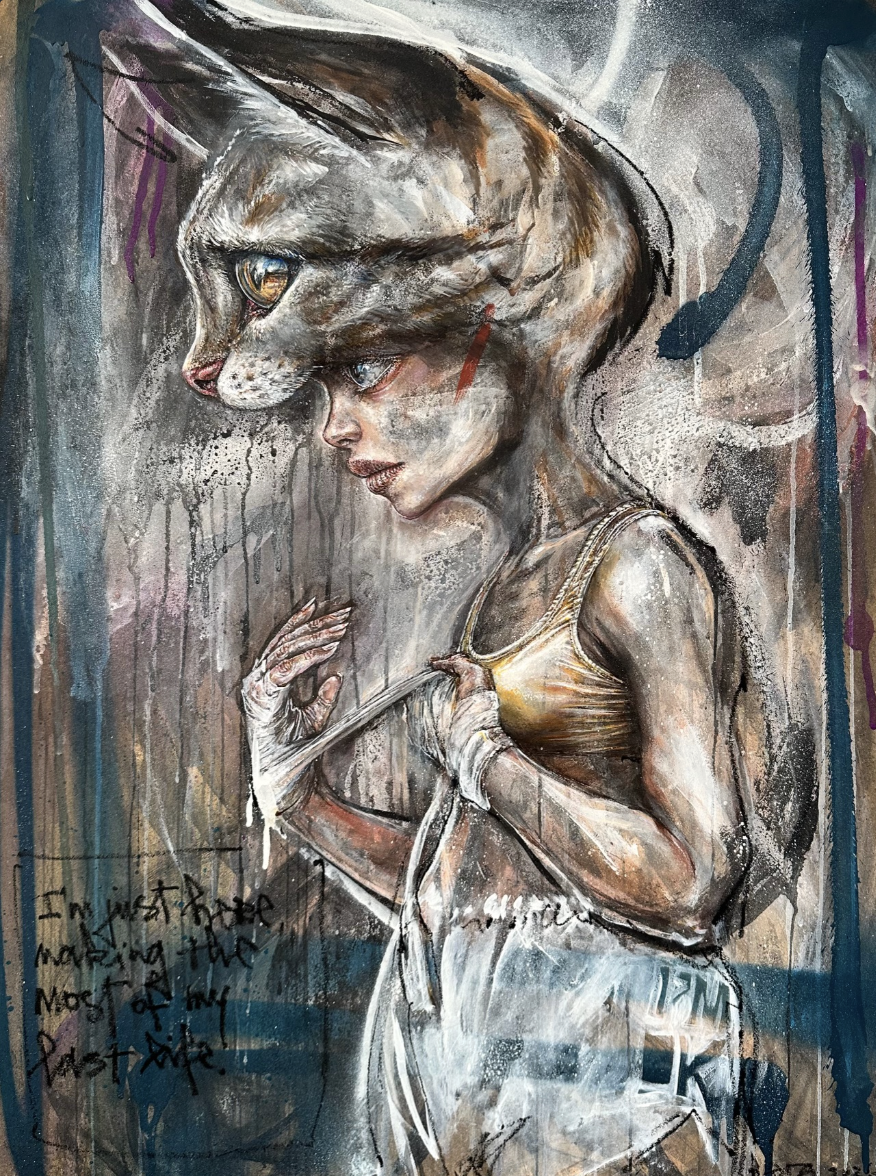
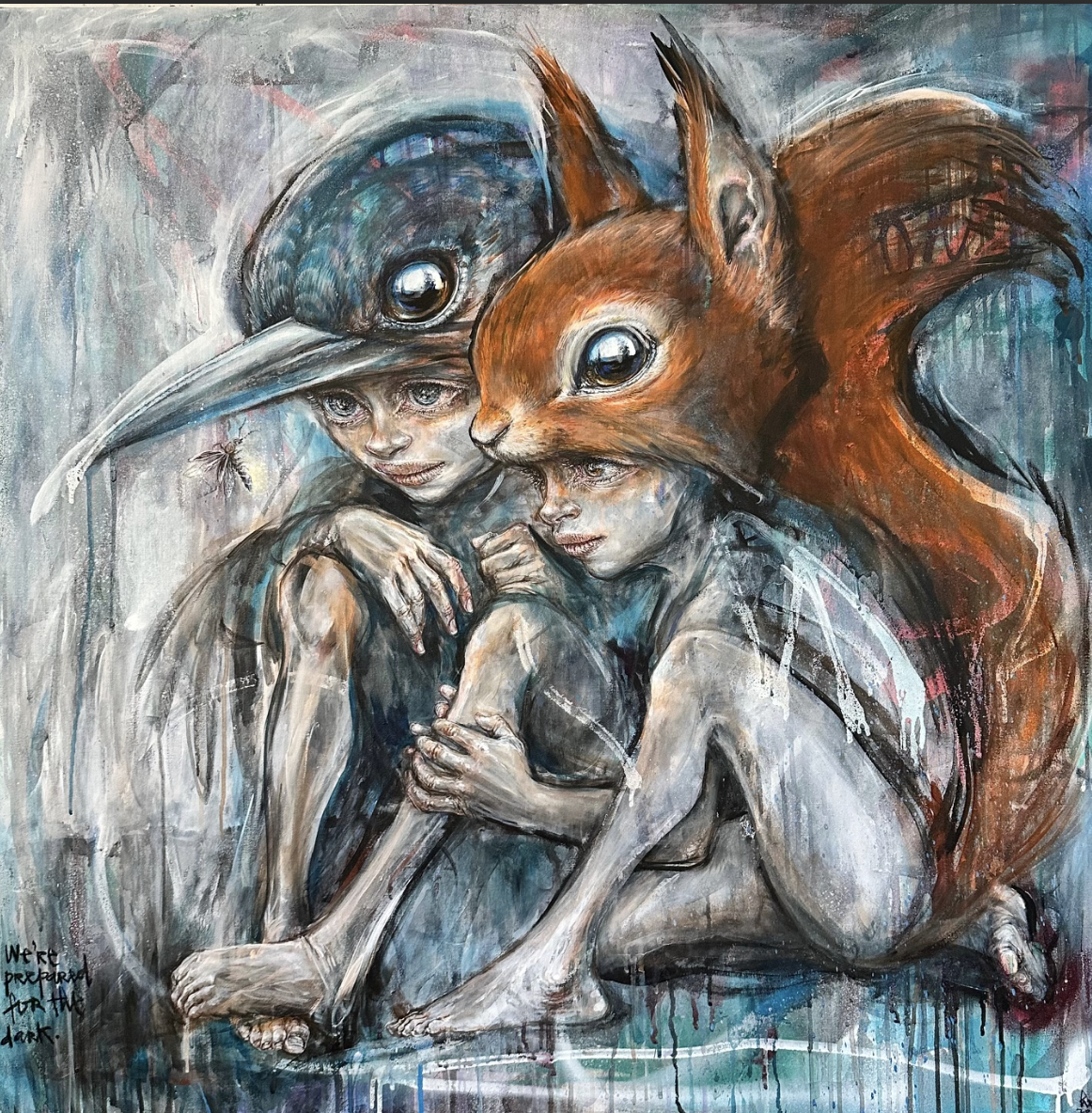
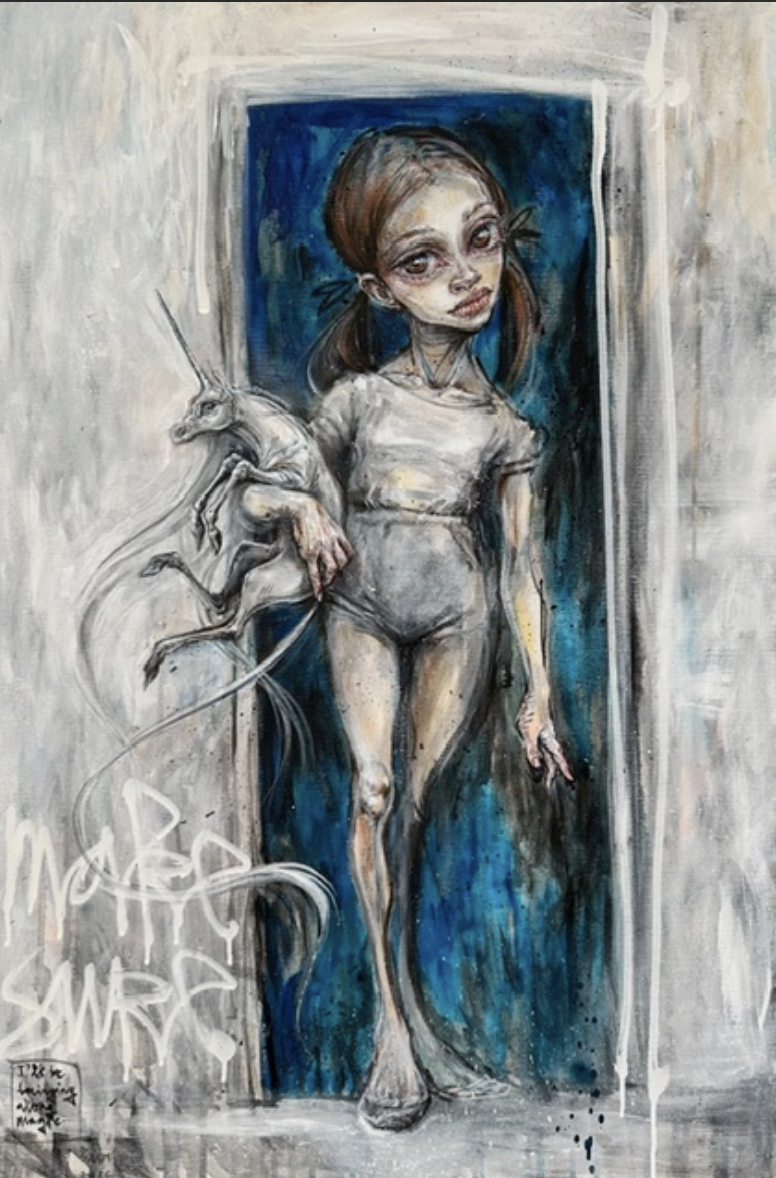
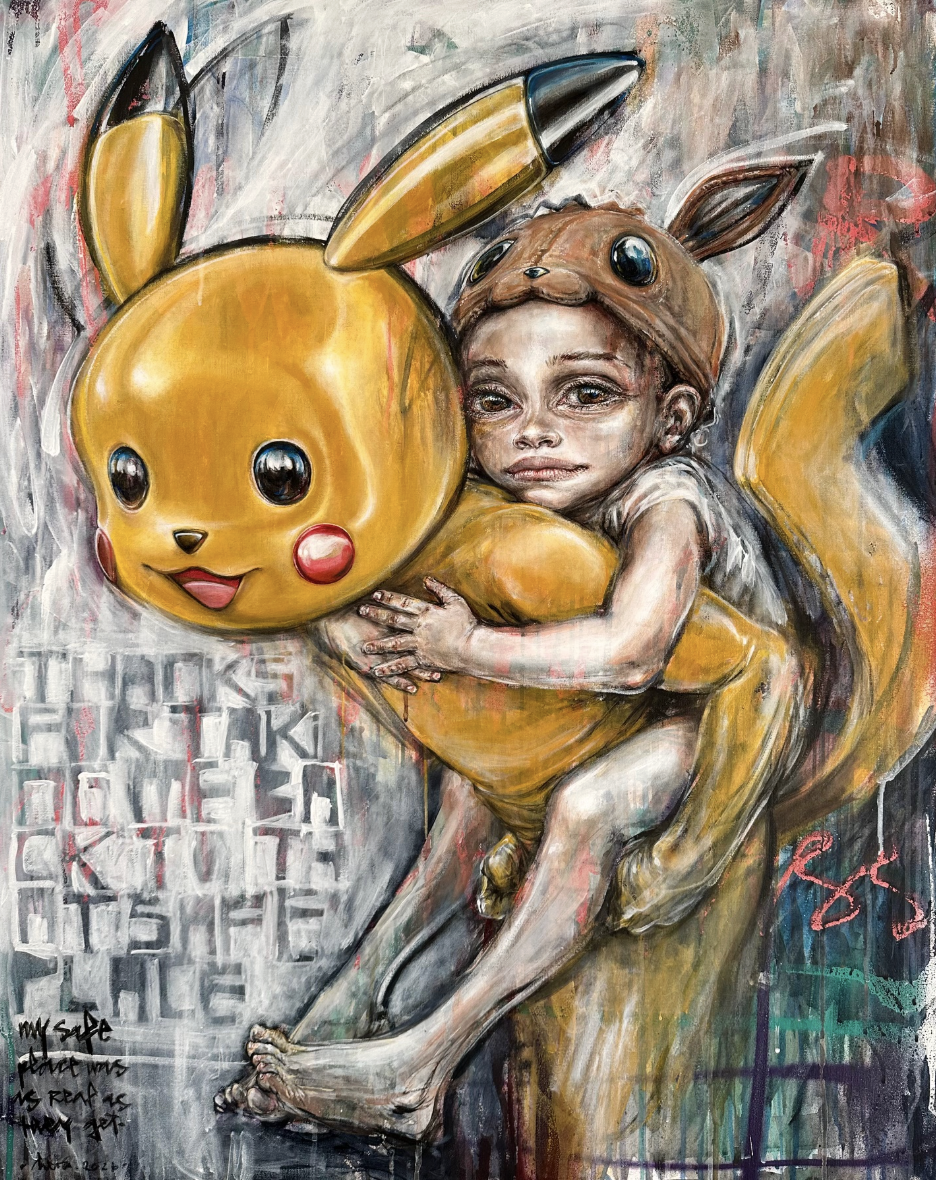
There are duo exhibitions that feel convenient, and then there are duo exhibitions that actually mean something. What We Leave Behind lands firmly in the second category. Bringing together Hera of Herakut and Case Maclaim for their first exhibition built around a shared theme, the show reads less like a crossover and more like a real exchange between two artists who have grown next to each other for years while pushing in very different visual directions.
That history matters.
Both artists are globally recognized for work that has lived on streets, walls, backyards, gallery walls, and museum spaces, but this exhibition goes deeper than reputation. It digs into the residue left behind by time, collaboration, family, public art, and personal evolution. The title itself suggests aftermath. Not destruction, but traces. Not nostalgia, but evidence.
Hera approaches that idea through a visual language that has always been emotionally direct and instantly recognizable. Her figures exist in an imagined world that can feel childlike at first glance, but the sweetness is never simple. Her characters are often burdened by love, conflict, social pressure, and the weird contradictions of being human. Animals, hybrid forms, handwritten reflections, and expressive linework all become part of her storytelling system. She paints with tenderness, but never softness alone. There is always edge in it.
““What We Leave Behind” is about the things that remain when moments disappear in families, in cities, and in walls.””
That raw-meets-poetic balance is part of what has made Hera such a crucial figure in urban contemporary art. Her work speaks fluently in public space, but it also holds up under close looking. In What We Leave Behind, that intimacy becomes central. The exhibition lets viewers focus on what her work has always carried beneath the surface: emotional complexity, human fracture, and the hope that art can still hit somewhere real.
Case Maclaim comes at the shared theme from a completely different angle. Known as one of the strongest photoreal voices in urban art, he brings technical sharpness without losing emotional weight. His figurative works are polished, yes, but never empty. Beneath the precision is a steady current of insecurity, melancholy, and tension. There is often a surreal undertow in his work, even when the image looks clean and controlled.
That combination makes his contribution to this show especially strong. Case Maclaim reflects on the exhibition as a kind of archive, shaped by years of shared experience with Hera and by images that have already existed in public space. In his framing, murals are not static achievements. They are surfaces altered by weather, time, and people. They collect wear. They carry history. Once moved into the gallery context, those same visual ideas become quieter, more stripped back, and more vulnerable.
That shift from street to gallery is one of the most compelling parts of What We Leave Behind. In a city, a mural has to fight for visibility. It competes with movement, noise, architecture, and daily life. In a gallery, that same image or reference can slow down. It can breathe differently. The viewer meets it in a more concentrated way. The emotional charge changes.
““Whether you express yourself on canvas, a wall, a postcard, or a post-it, what matters is that it resonates, with the hope of planting seeds that may grow and sprout.””
And that is exactly where this show hits.
Rather than glorifying the monumentality of mural culture, What We Leave Behind focuses on what stays with us after the paint dries and the lift drives away. It asks what remains of a public gesture once it has been absorbed by memory. It asks what an artist carries forward after decades of leaving marks across walls worldwide. It asks how shared histories show up in form, surface, and atmosphere.
Hera’s own reflection on the exhibition makes that trajectory especially clear. After 26 years of claiming public space with spray-painted thoughts, she has witnessed urban art move from underground subculture into global visibility. Massive walls and boom lifts became part of the language. But scale is only one part of the story. What comes through most strongly in her perspective is the need for resonance. Whether the work lives on a wall, a canvas, a postcard, or a scrap of paper, it matters only if it lands. Only if it plants something.
That idea feels essential to this exhibition and, honestly, to urban art at its best.
Too often, conversations around street art get stuck on surface-level binaries: legal versus illegal, street versus gallery, mural versus canvas, outsider versus institution. Hera and Case Maclaim move right past all of that. What We Leave Behind shows what happens when artists with deep roots in public space focus instead on memory, vulnerability, and the emotional lifespan of an image.
For VANDAL readers, this is the kind of exhibition that matters because it does not reduce urban art to style. Yes, both artists have powerful visual signatures. Yes, their work is instantly identifiable. But what makes this show stand out is the way it treats urban art as lived history. Walls here are not just surfaces. They are witnesses. Images are not just compositions. They are fragments of who an artist was at the moment they made them.
That is the real force of What We Leave Behind. It turns the language of murals, marks, and public presence into something closer to an emotional record. It reminds us that every wall piece, every painted figure, every fading surface leaves something behind, not just in the city, but in the artist too.
Hera and Case Maclaim may arrive at that truth through completely different styles, but together they make it hit harder. One works through distortion, tenderness, and symbolic narrative. The other works through realism, control, and quiet surreal weight. In this show, those differences do not clash. They sharpen each other.
What We Leave Behind is not just a duo show. It is a study in what urban art can hold when it stops trying to prove itself and starts speaking from memory.